
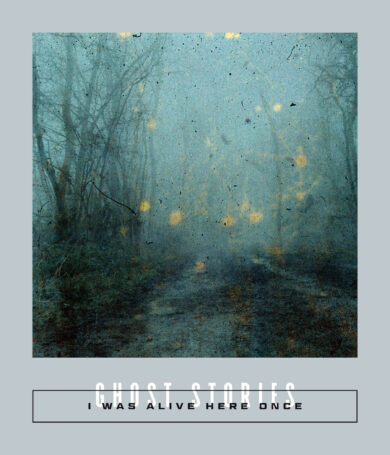
translated from the Korean, Arabic, Polish, Japanese, Uzbek, Icelandic, Swahili, and Thai
Two Lines Press, 2026
216 pages
grab a copy here or through your local independent bookstore or library
Contents:
“A Swamp’s Love” by Cho Yeeun, tr from the Korean by Giulia Ratti
“The Magic Bin” by Wajdi Al-Ahdal, tr from the Arabic by William Hutchins
“One Step Ahead of You” by Anna Kańtoch, tr from the Polish by Kasia Laganowska
“Jupiter” by Tomoyuki Hoshino, tr from the Japanese by Brian Bergstrom
“The Loose-Haired Women” by Salomat Vafo, tr from the Uzbek by Sabrina Jaszi
“The Skerry” by Þórdís Helgadóttir, tr from the Icelandic by Larissa Kyzer
“Night Meal” by Lusajo Mwaikenda Israel, tr from the Swahili by Richard Prins
“The Death of Aunt Huang” by Jarupat Petcharawet, tr from the Thai by Peera Songkunnatham
The anthologies that Two Lines Press publishes are, for me, like those dessert trays where you can sample multiple delicacies at once and find that you love them all. Their No Edges: Swahili Stories (2023) included eight translated tales from Tanzania and Kenya: a whirlwind of voices and styles, describing everything from mundane daily tasks to execution by spaceship. Though not all of the stories are speculative, they nonetheless play with the various ways in which reality can shift and alter. Through the Night Like a Snake: Latin American Horror Stories (2024) took on Spanish-language horror by writers from Ecuador, Argentina, Columbia, and Bolivia; while Elemental: Earth Stories (2021) offered us what the publisher explains is “a whirlwind of fantastic new writing from Japan, Iran, Madagascar, Iraq, Germany, and more…this latest installment of the Calico series maps the intimate, ongoing relationship between human civilization and the environment.”
What makes these anthologies especially fascinating is that they gather together stories from source languages that don’t often get translated into English (see Uzbek, Thai, Swahili, etc). By reading stories from these authors, translators, and languages, we as Anglophone readers get a better sense of the speculative stories being written around the world, opening us up to new ideas and traditions we wouldn’t otherwise have access to. Perhaps, these anthologies will inspire other publishers to bring us more excellent speculative fiction from around the world.
I Was Once Alive Here is peopled with a wide variety of ghosts and not-quite-ghosts, mwul gwishin (Korean: water ghost), msukule (Swahili: zombie-like creature), and many others. While some veer toward the fairy tale, others turn toward science fiction, fable, and magical realism. Most of the protagonists are women, some of whom have been either treated terribly by the men in their lives or so sheltered that they don’t know how to recognize danger when they encounter it.
“A Swamp’s Love” (Korean) and “The Skerry” (Icelandic) depict girls deeply connected to their environments. In the former, the two girls who have died and become a part of the landscape (the swamp and the forest) find a way to connect with one another just before two catastrophes (one man-made, one natural) destroy them and their surroundings. “The Skerry” is a complex, multi-layered psychological study of a girl growing up in an isolated town that is struggling to survive. Her relationship to her pet bird and her experiences in the water influence the woman she becomes, but the ghosts of her past selves continue to live within her.
“Night Meal” (Swahili) and “The Death of Aunt Huang” (Thai) are carefully-crafted, fable-like tales about families falling apart because of jealousy and betrayal. The warring wives in “Night Meal” have a terrible argument over who is the more beloved, but the junior wife decides to turn her rival into a msukule (a witchcraft term for what we might call a zombie in English). In “The Death of Aunt Huang,” the history of a single tree tells the story of brutal exile and repression, an accidental killing, and the consequences that course down into the present.
“The Magic Bin” (Arabic) and “The Loose-Haired Women” (Uzbek) read like updated fairy tales: here a bin of wheat that refills itself (payment for a midwife helping a jinni give birth); while in the second, a collection of women wandering the Central Asian countryside, ignoring borders and guards, proclaiming their terrible pasts and gathering up the protagonist in their group as she attempts to cross an area that was once her home but is now seared by war.
The Polish tale “One Step Ahead of You” tells two terrifying stories that only intersect at the end: in the one, a man stepping out of fairy-tale world invades the real one and causes havoc; while in the other, a human bowed down with sorrow from the death of his wife tries to make it through each day alone. Though he tries to ignore the developing doppelganger that follows him, the man from the fairy-tale eventually catches up with him.
The only science-fictional story in the anthology, “Jupiter” (Japanese) offers a masterful example of the unreliable narrator. Maruko starts finding that everyone she knows or runs into is treating her differently, telling her that she has changed somehow. Eventually, after finally confronting her boyfriend about it, she learns that she, her friends, and her family were all swept up in a catastrophe that she has forced herself to forget.
Beautifully varied and intriguing in their unique approaches to the porous border between the real and the fantastic, the stories in I Was Alive Here Once are all highly recommended.
