
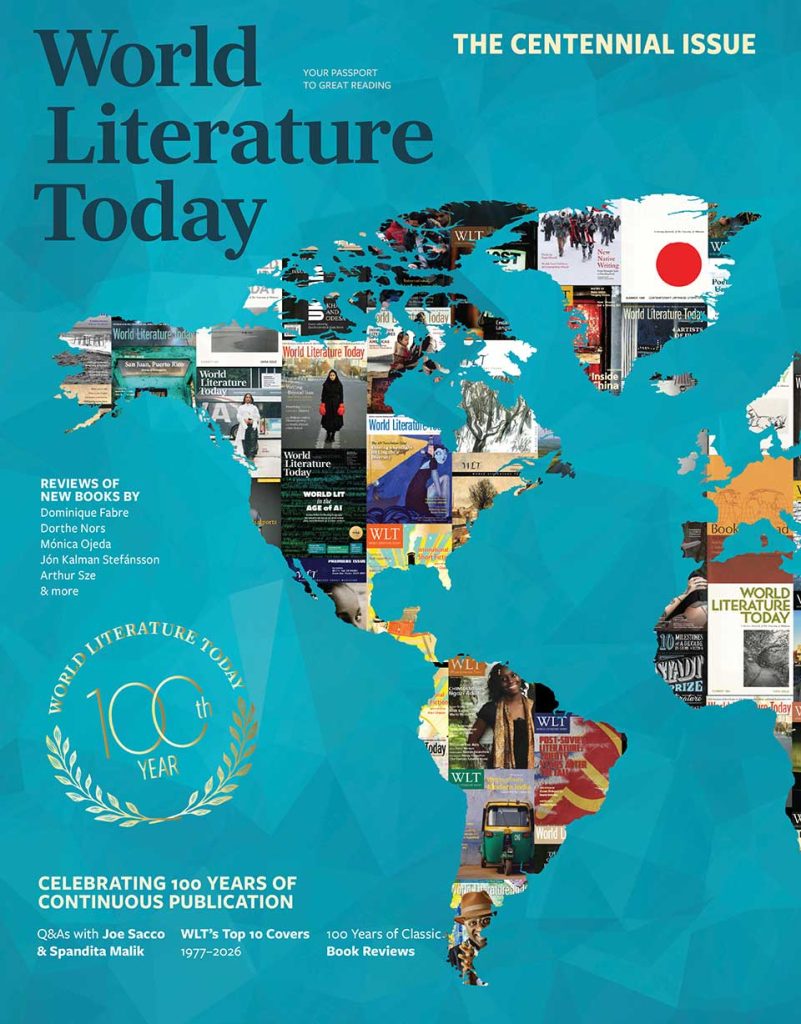
“Raining out there” by Alexandra Senkevich, translated from the Russian by Ilse Meiler (World Literature Today, September)
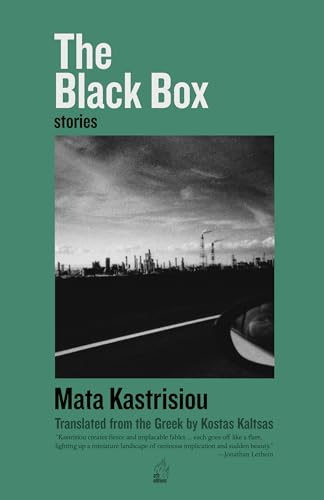
The Black Box: Stories by Mata Kastrisiou, translated from the Greek by Kostas Kaltsas (Arb Editions, September 1)
Fierce and sophisticated, dark and dreamy, The Black Box is a collection of transgressive, poetic fiction by Mata Kastrisiou. Each story reveals an unsettling vision of the fantastic merging with the everyday. A homeless person beds down for the night on New Year’s Eve, schoolchildren compete for a trip to meet their favorite cartoon character, a murderous domestic melodrama unfolds on a distant asteroid, an elderly man reckons with his failing memory on an empty beach—Kastrisiou explores these points of view and more with economy of language and acute social consciousness. Ranging from the darkly comic to the tender and gently melancholy, Kastrisiou writes with empathy, lack of pretense, and a deep insight into our shared humanity.
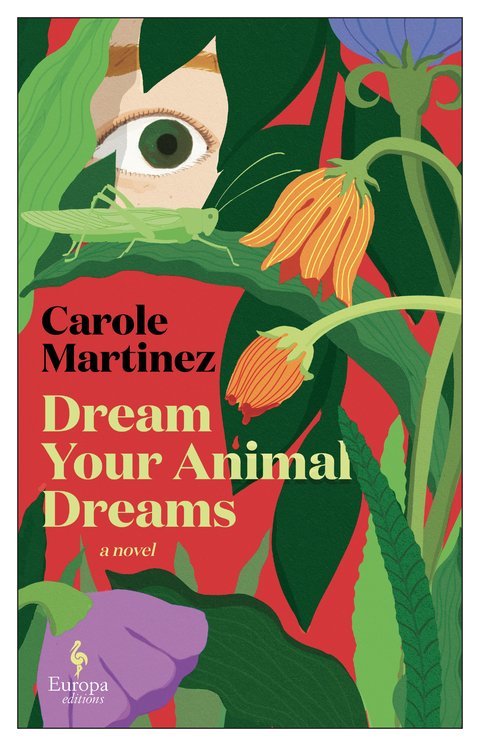
Dream Your Animal Dreams by Carole Martinez, translated from the French by Adriana Hunter (Europa Editions, September 8)
In Dream Your Animal Dreams, Carole Martinez crafts a haunting, visionary novel that entwines the personal with the global in a tale of dreams, survival, and transformation.
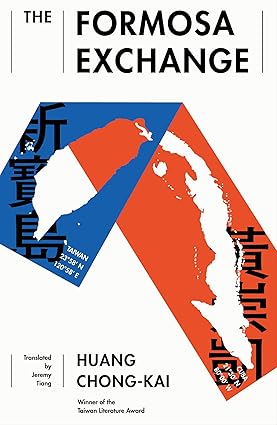
The Formosa Exchange by Huang Chong-kai, translated from the Chinese (Taiwan) by Jeremy Tiang (Honford Star, September 18)
On the 20th of May, 2024, one day after the inauguration of Taiwan’s first Indigenous President, the entire population of the island wakes up to discover they have suddenly switched places with the residents of Cuba.
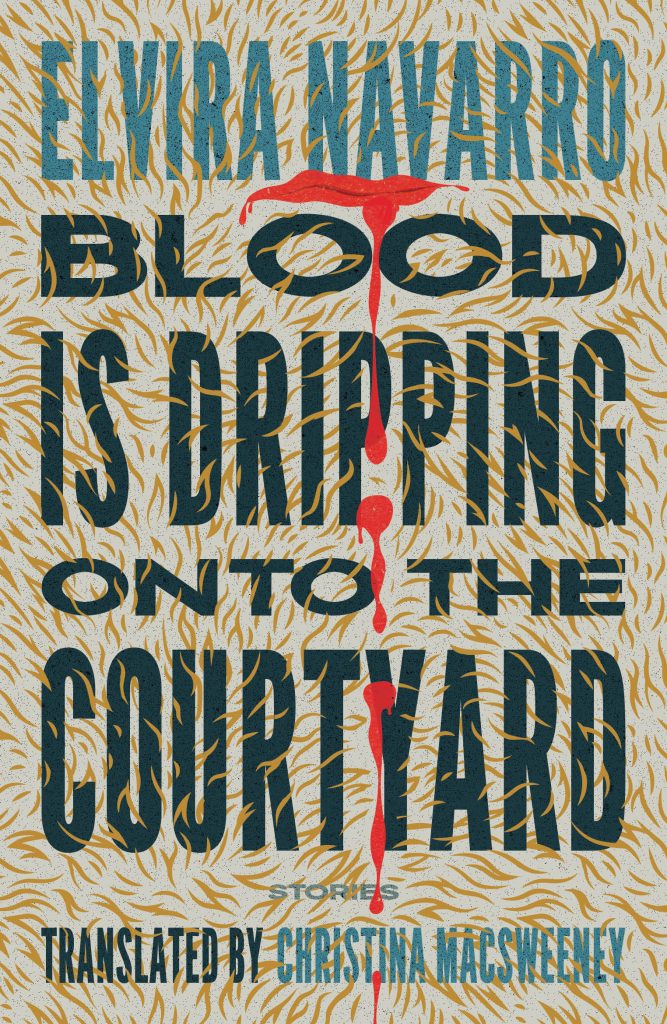
Blood Is Dripping onto the Courtyard by Elvira Navarro, translated from the Spanish by Christina MacSweeney (Two Lines Press, September 22)
A young couple’s washing machine fills with blood; a man saves animals who have been hit along the highway, turning his home in a peculiar zoo; the security guard of a half-built housing development suffers from hallucinations; a young woman struggles to understand the cruel neglect of the Parisian suburbs. This is a world of precarious jobs, towns in the middle of nowhere, abandoned buildings, and cities that are nothing more than blocks of concrete whose contours Elvira Navarro distorts to the point of giving reality the consistency of a nightmare. In an almost imperceptible way, the disturbing infiltrates the lives of these men and women until they find themselves alone at the end of a dark road, afraid to turn around.
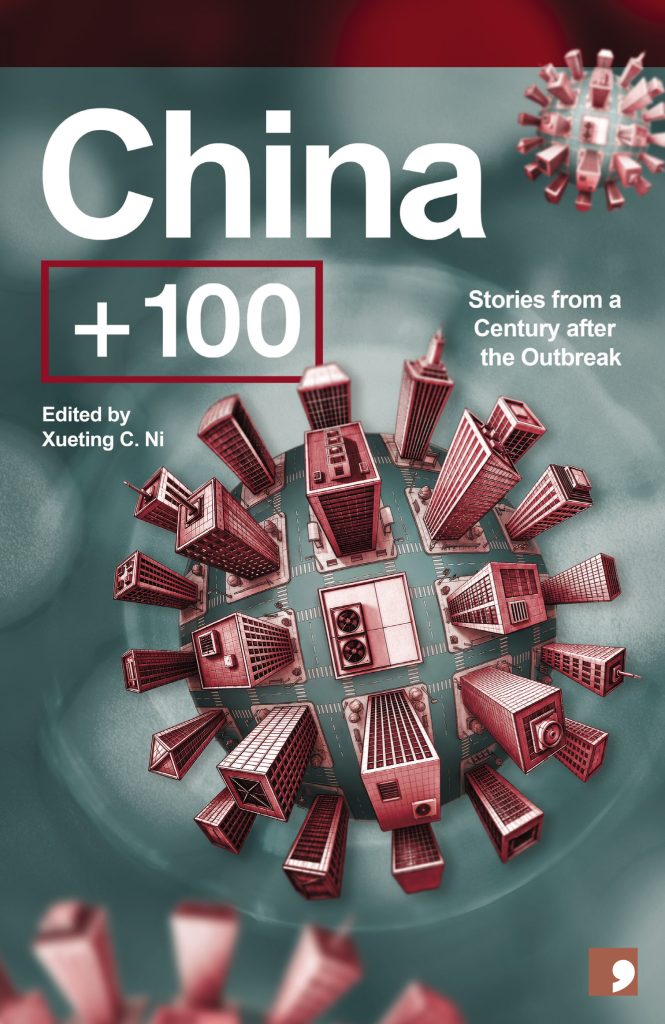
China + 100: Stories from a Century After the Outbreak, edited by Xueting C. Ni, various translators from the Chinese (Comma Press, September 24)
China + 100 poses a simple question to ten leading Chinese science fiction writers: what might China look like in the year 2119 – a century after the first outbreak of Covid-19. How might this event – which triggered a global health crisis, and altered the world’s relationship with China – impact the development and position of China a century later? Exploring everything from big tech, class warfare, transhumanism, government infringements on personal freedoms, and global security, these stories ask all the difficult questions: will China and the world have learned from the lessons of the Covid-19 pandemic, and be prepared for even greater health threats in the future, or will new, man-made dangers have emerged?
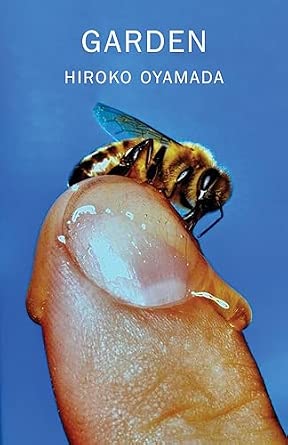
Garden by Hiroko Oyamada, translated from the Japanese by David Boyd, Lucy North and Yuki Tejima (New Directions, September 29)
Crabs scurrying over a landfill. Huge tadpoles writhing in a pond. A gecko stuck to the window. A sudden invasion of ants. Nature mysteriously creeps in and overruns the realm of humans in this stunning collection of stories. Hiroko Oyamada masterfully conveys the sense that seemingly stable and ordinary people are cracking at the edges, that a surreal encounter with an animal can change the entire course of one’s life, that an obscure local ritual can have profound consequences. In these fifteen stories we find young couples navigating pregnancies, toddlers, and in-laws; men and women returning to their childhood homes to rediscover the enigmatic traditions they’d left behind; and children who plumb dreamlike riddles in the natural world.
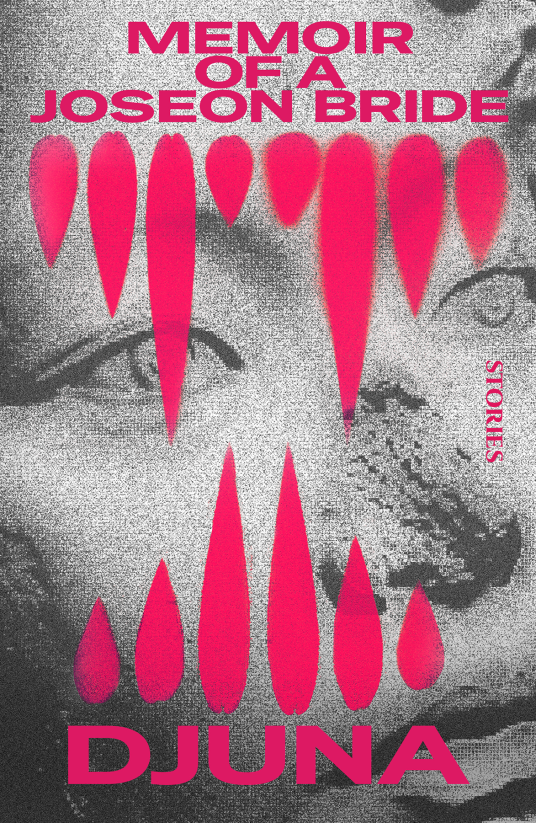
Memoir of a Joseon Bride by Djuna, translated from the Korean by Adrian Thieret, Jihyun Park, and Gord Sellar (Honford Star, September 30)
The stories brought together in this collection introduce the dazzling speculative imaginings of Djuna, one of South Korea’s most provocative science-fiction writers. Whether describing how a species of interplanetary machines brings Korea’s North-South divide into the heavens or satirizing the vampiric nature of Confucian patriarchy, these stories evoke a universe at once familiar and clearly fantastical. Blending influences ranging from genre fiction (zombie, vampire, science-fiction, you name it) to Conrad’s Heart of Darkness, Djuna’s stories illuminate the past, present, and possible futures.
REVIEW
10 Billion Days and 100 Billion Nights – ARB
City Like Water – Reactor
Darker Days – SF Concatenation
The Formosa Exchange – WWB
