
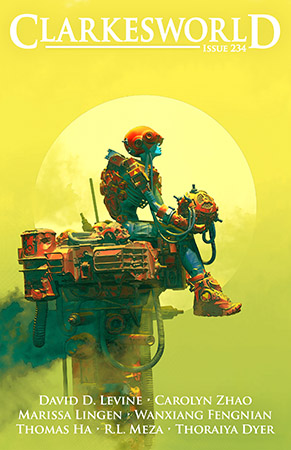
“Those Who Left History” by Wanxiang Fengnian, translated from the Chinese by Stella Jiayue Zhu (Clarkesworld, March 1)

“Antarctic Radio” by Gu Shi, translated from the Chinese by Andy Dudak (Asimov’s, March/April)
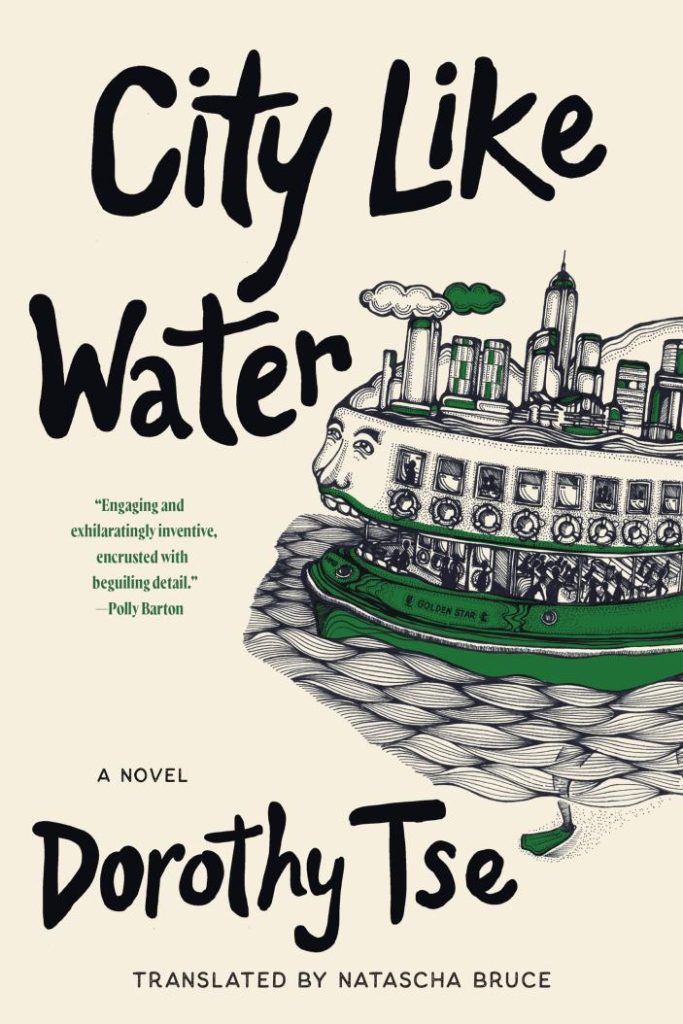
City Like Water by Dorothy Tse, translated from the Chinese by Natascha Bruce (Graywolf Press, March 3)
Your city is gone, as if sunk to the bottom of the ocean. So much has vanished with it—counterfeit watches, streets echoing with the sound of stilettos, and even some of your classmates and teachers. Your mother joins in a housewives’ protest, each woman waving the fake, bloody lotus roots they were sold until they’re turned into statues. Then it’s just you and your father at home. But soon he is absorbed into the enormous TV gifted by the government, and you can only see him in the background of soap operas. And didn’t you once have a little sister? When the police go undercover and transform your neighborhood into a violent labyrinth, where does it all leave you? Lucid, nightmarish, and indelible, City Like Water is a wondrous tale of a city not so different from your own.

Cabaret in Flames by Hache Pueyo, translated from the Portuguese (Brazil) by the author (Tordotcom, March 10)
Hache Pueyo returns after But Not Too Bold with her new novella Cabaret in Flames, where Interview with the Vampire meets Certain Dark Things in an alternate-Brazil where brutal flesh-hungering Guls stalk the night streets and manipulate the government from their glittering cabaret.
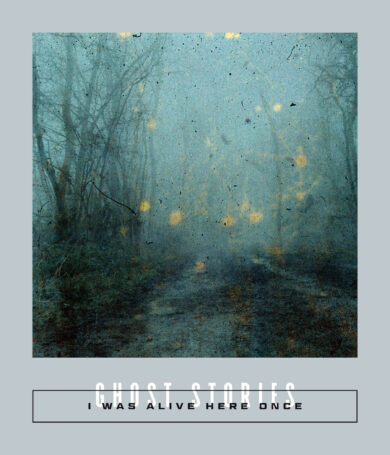
I Was Alive Here Once: Ghost Stories (anthology) (Two Lines Press, March 10)
Through eight contemporary stories exploring a range of genres, from fantasy and horror to eco-fiction and romance, this collection breathes new life into the ghost story, foregoing familiar tropes to speak to today’s unique political and ecological horrors. Both lighthearted and menacing, I Was Alive Here Once will lead you into the haze where the living and the dead meet.
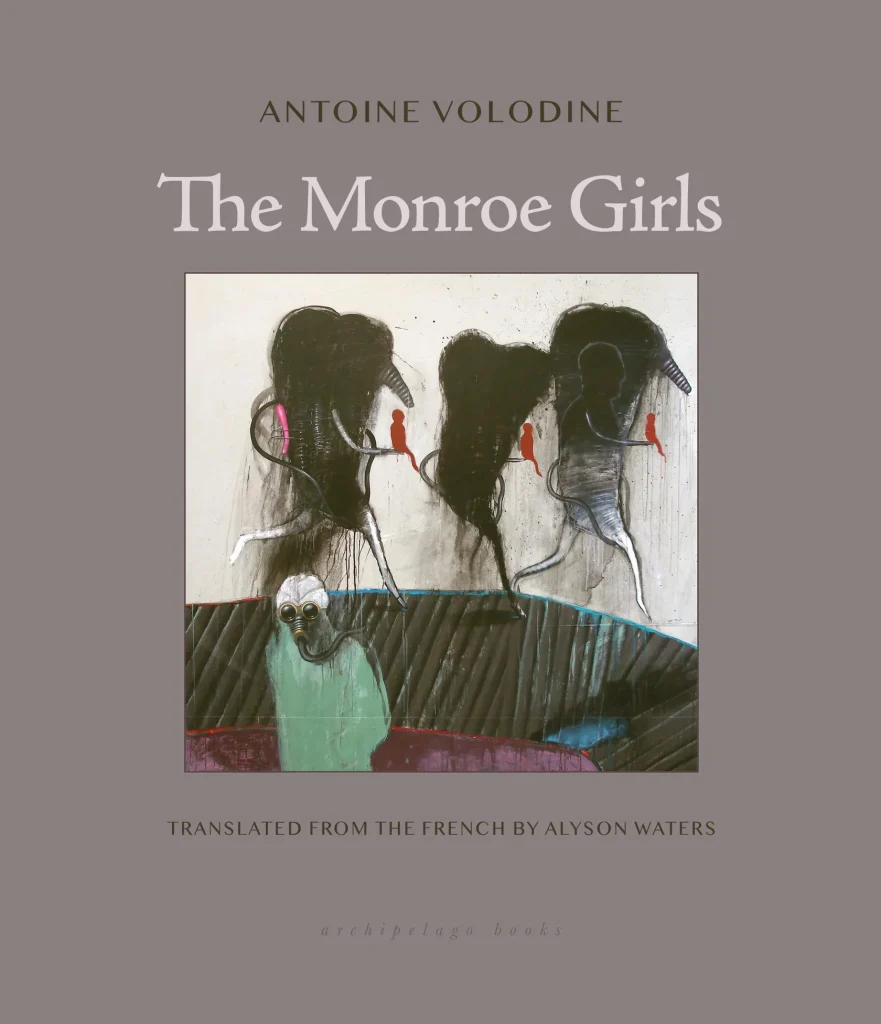
The Monroe Girls by Antoine Volodine, translated from the French by Alyson Waters (Archipelago Books, March 17)
Breton has seen brighter days. Now his body sags as he pulls a pair of binoculars to his withered face. He peers from the grimy window of a near-empty psychiatric compound—one of the last buildings standing after an unspecified disaster—spying rue Dellwo below, dreary in perpetual rain. Into this world of devastation drop the Monroe girls—paramilitaries trained in the “dark place” by Monroe, a dissident executed long ago. Their mission to revamp the Party is futile in this bleak, decaying world. Breton, our schizophrenic narrator, is tasked (and tortured) by what remains of the Party to locate and identify the Monroe girls using special optical equipment and his powers of extrasensory perception. Breton’s journey through a bardo-like, hostile labyrinth invites us into a sensual swirl of bodily decay, political acquiescence, and civilizational collapse. In this derelict setting, Volodine ruminates on identity, surveillance, life after death, and love (which, alas, does not conquer all). An urgent and blistering tale, beautifully rendered with Volodine’s distinct pathos and humor.
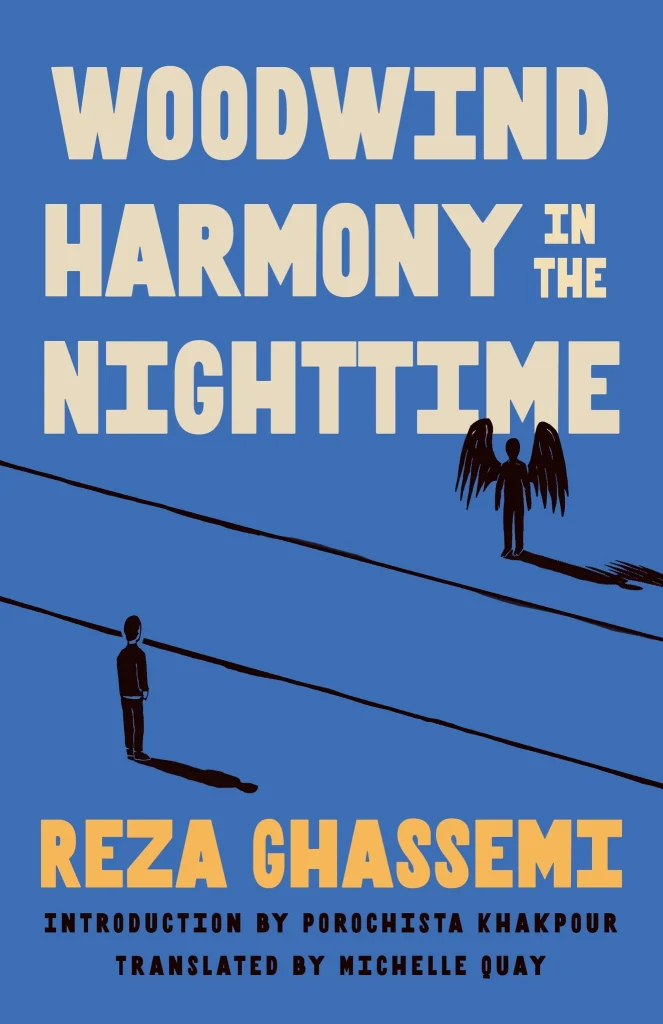
Woodwind Harmony in the Nighttime by Reza Ghassemi,
translated from the Persian by Michelle Quay (Deep Vellum, March 17)
Suspenseful, yet darkly humorous, Woodwind Harmony In The Nighttime explores the trauma of displacement, and challenges readers to piece together the story of a life shattered by exile.

The Raven of Ruwi and Other Stories from Oman by Hamoud Saud, translated from the Arabic (Oman) by Zia Ahmed (Syracuse University Press, March 18)
In this lyrical collection, author Hamoud Saud invites readers into the soul of Oman, a country famed for its long coastline, rugged mountains, and stark desert landscapes. This geography provides the backdrop for stories that reveal both the beauty and hardship of a country and people on the margins. Focused on the capital city, Saud’s Muscat is not a postcard-perfect city but a living, breathing place of cement forests, forgotten roundabouts, and ravens perched on flagpoles. Each story is fabulist in spirit but grounded in the textures of everyday life….
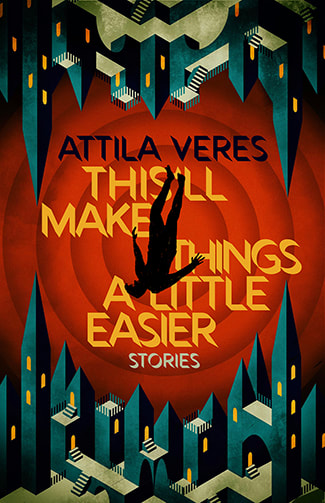
This’ll Make Things a Little Easier by Attila Veres, translated from the Hungarian by the author (Valancourt Books, March 24)
In the opening story, ‘a pit full of teeth’, an aspiring Hungarian horror writer gets the exciting news that one of his stories will be translated into the obscure language of a reclusive tribe that almost no one knows anything about. But when his copy of the translation arrives, he discovers that it doesn’t match what he wrote: instead, the text contains a much more horrific narrative that seems to be playing out in reality. In ‘The Designated Contact Individual’, a traveling representative for a soft drink company finds his sales territory expanding when he is sent to an alternate reality where they have their own nightmarish use for his cola. ‘Damage d10+7’ tells of a group of gamers who commit a terrible outrage in the fantasy world of their game and which has a deadly ripple effect in their real lives. The narrator in ‘The Summer I Chose to Die’ has decided that life is no longer worth living, but his worldview is shaken up when a murderous army of fish-people begins to rise from the oceans. And in the title story, money literally does grow on trees when the Hungarian government tries to alleviate poverty by supplying families with a strange new plant species, but their newfound financial gain will come at a terrible cost.
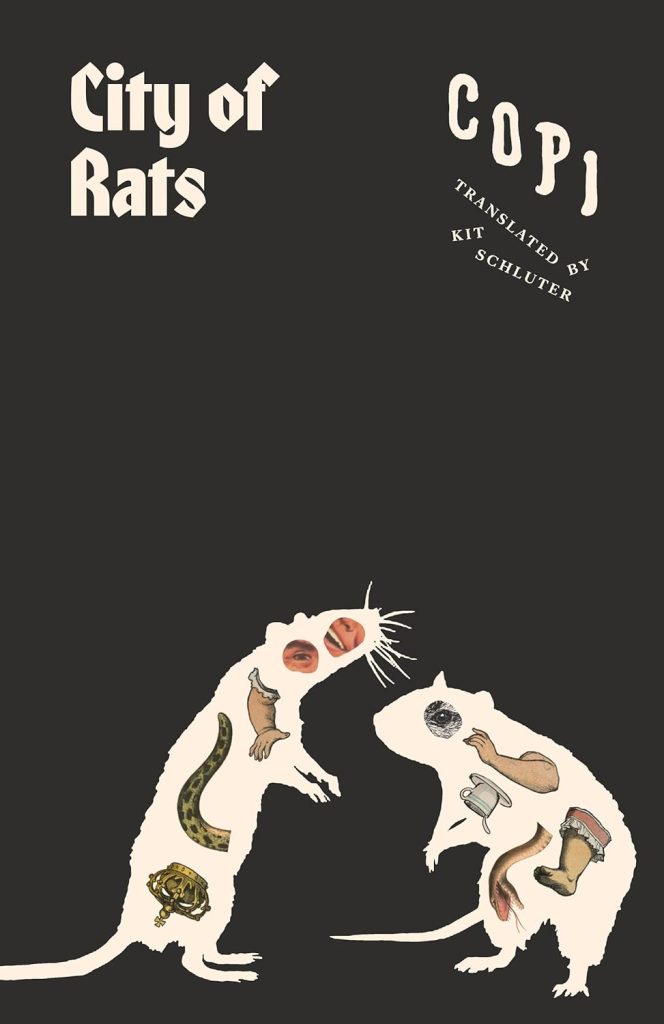
City of Rats by Copi, translated from French by Kit Schluter (New Directions, March 31)
Told in a series of letters purportedly written in rat language and posted from Gouri to his former master, City of Rats is the second novel by French-Argentine exile, novelist, cartoonist, playwright, actor, and queer provocateur Copi to be translated into English and perhaps his most madcap work, an X-rated fable with high-velocity prose that smashes through societal taboos— moral, sexual, or otherwise—like a bullet train hitting a glass house.
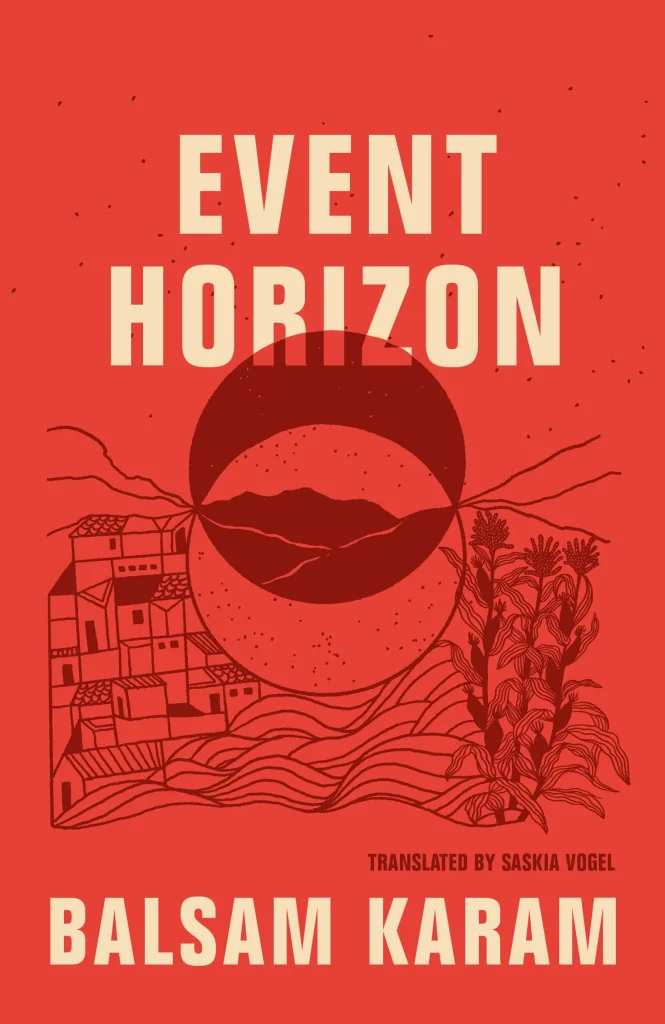
Event Horizon by Balsam Karam, translated from the Swedish by Saskia Vogel (The Feminist Press, March 31)
From the author of The Singularity, a saga of one girl’s resistance and exile in the stars and soil of galactic empire.
REVIEWS
Revolver Christi in The Complete Review
Cetroeuropa on SFinTranslation.com
Sympathy Tower Tokyo on Asking the Wrong Questions
The Scar on Ancillary Review of Books
The Deep Sea Diver’s Syndrome (podcast)- A Meal of Thorns (45)
I Was Alive Here Once: Ghost Stories on SFinTranslation.com
The Factory in Reactor
Teddy Bears Never Die in The Complete Review
