
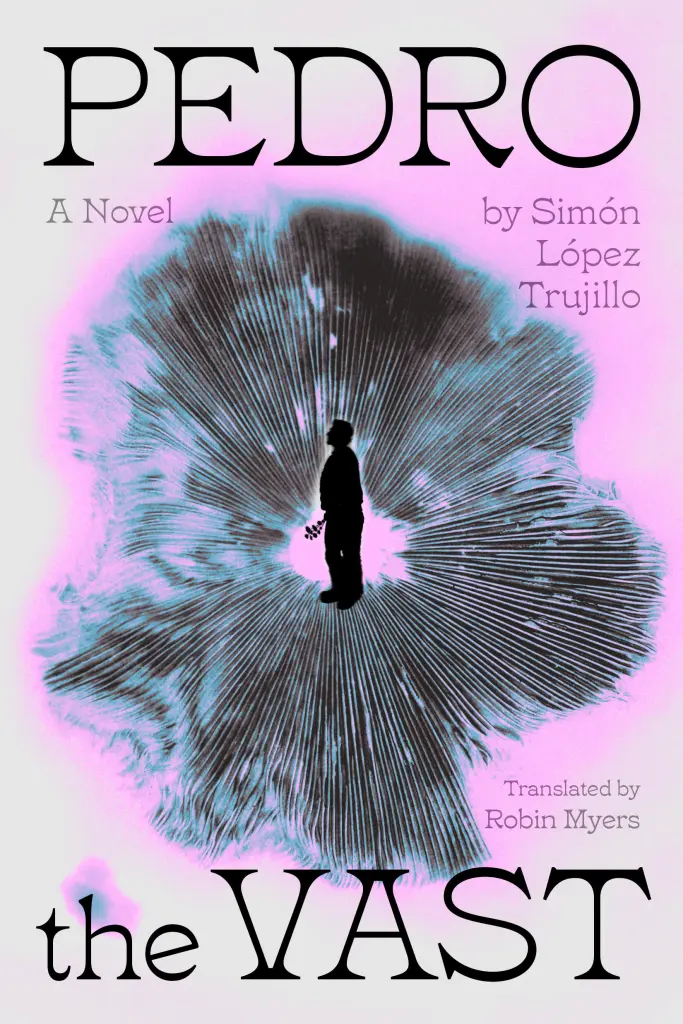
Pedro the Vast by Simón López Trujillo, translated from the Spanish (Chile) by Robin Myers (Algonquin Books, January 13)
In the disorienting, devastatingly tense world of López Trujillo, a eucalyptus farm worker named Pedro starts coughing. Several of his coworkers die of a strange fungal disease, which has jumped to humans for the first time, but Pedro, miraculously, awakes. His survival fascinates a foreign mycologist, as well as a local priest, who dubs his mysterious mutterings to be the words of a prophet. Meanwhile Pedro’s kids are left to fend for themselves: the young Cata, whose creepy art projects are getting harder and harder to decipher, and Patricio, who wasn’t ready to be thrust into the role of father. Their competing efforts to reckon with Pedro’s condition eventually meet in a horrifying climax that readers will never forget.
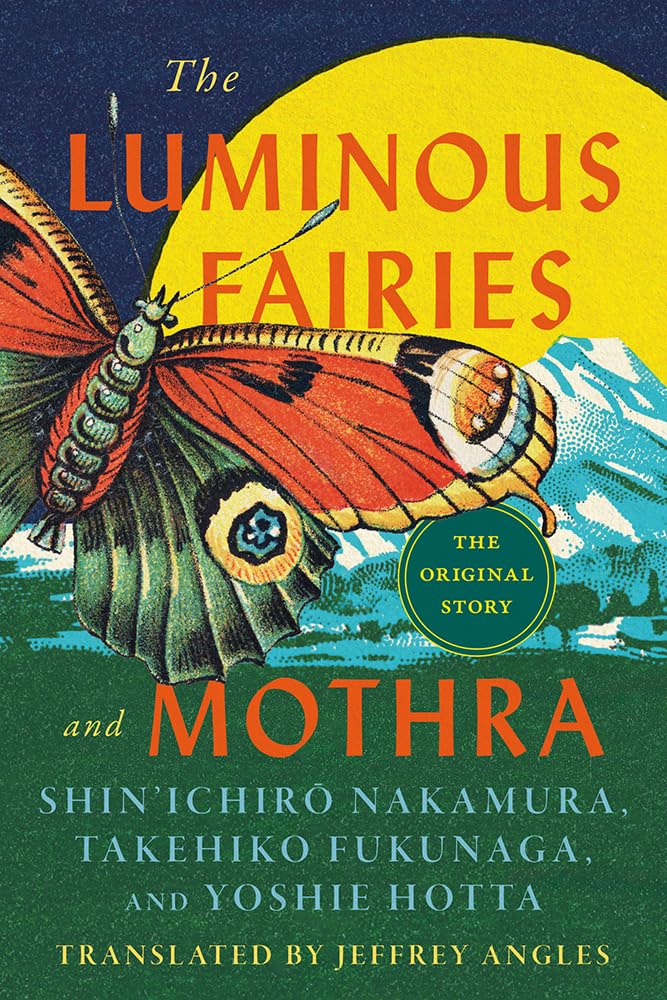
The Luminous Fairies and Mothra by Takehiko Fukunaga, Yoshie Hotta and Shin’ichiro Nakamura, translated from the Japanese by Jeffrey Angles (University of Minnesota Press, January 13)
Mystical and benevolent, the colossal lepidopteran Mothra has been one of the most beloved kaiju since 1961, when The Luminous Fairies and Mothra was originally published in Japanese. Commissioned by Tōhō Studios from three of Japan’s most prominent postwar literary writers (Shin’ichirō Nakamura, Takehiko Fukunaga, and Yoshie Hotta), the novella formed the basis for the now-classic monster film Mothra, with a protagonist second only to Godzilla in number of film appearances by a kaiju. Finally available in its first official English translation, The Luminous Fairies and Mothra will captivate ardent, longtime fans of the films as well as newcomers.
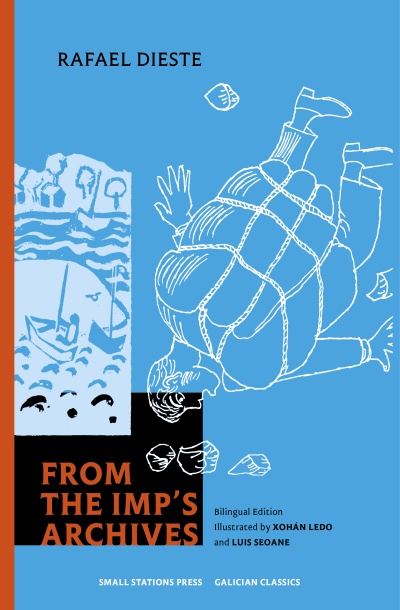
From the Imp’s Archives by Rafael Dieste, translated from the Galician by Jonathan Dunne (Small Stations Press, January 14)
Dieste’s stories are characterized by clarity of style, a sense of wonder in which a burning candle implies the presence of someone or a toy schooner comes to life and increases to fantastic proportions in order to bore a hole in the darkness, and attention paid to what might otherwise be considered marginal characters in life – a tramp, a stoker from the engine room, or the chess piece, a knight. The reader is transported to a past in which children place shoes on the balcony on Epiphany Eve and to a future, ten thousand years hence, when the narrator hopes to come across an advanced culture with teaching under the open sky. There are touching encounters – on an iron bridge, between a man who thinks of himself as long-suffering and one who it turns out has endured much more than him. But it is the sense of wonder, that thin veil between the narrow spectrum of light we are capable of seeing and a reality we only glimpse, that prevails in these stories…
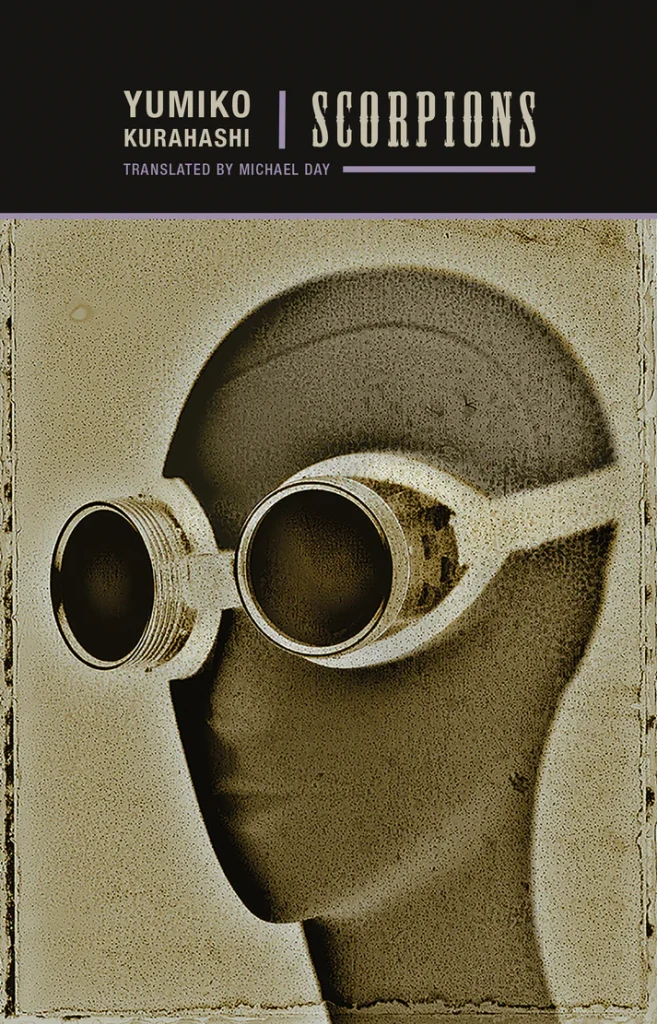
Scorpions by Yumiko Kurahashi, translated from the Japanese by Michael Day (Wakefield Press, January 20)
Yumiko Kurahashi’s 1968 novella Scorpions takes the form of a transcript of a one-sided interview with L following the arrest and institutionalization of her twin brother K. The two have played a role in a series of horrifying deaths culminating in the murder of their mother. Through a first-person narrative that varies in tone from scientifically clinical to darkly humorous, mingling together references to the Bible and Greek mythology, odd bits of dialogue, and obtuse descriptions, we learn of K and L’s shocking crimes, the gruesome plight of their religion-obsessed mother, and the professional and personal entanglement of L and an older man they call the RED PIG, their mother’s former lover.
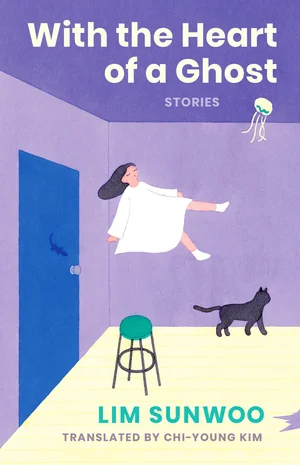
With the Heart of a Ghost by Lim Sunwoo, translated from the Korean by Chi-Young Kim (Unnamed Press, February 10)
With the Heart of a Ghost is a debut collection of eight fantastical stories translated by Chi-Young Kim that explore feelings unseen, unconveyed, unexplainable….A ghost who looks just like the narrator reflects her feelings back to her in a bun shop; mutant jellyfish take over the world and if you touch one you become one yourself; a heartbroken man becomes a tree in his ex’s apartment; the ghost of a wannabe K-pop star stuck in a vacuum cleaner wants out; Jugyeong helps a man hibernate by burying him up to his neck; Huiae, in deep conflict with her husband, reconnects with her strange old friend; Jo has lost his best friend–a gecko–but won’t give up the search; and Suyeong plots revenge on a wild dog that killed her cats by channeling her inner cat.

Revolver Christi by Anna Albinus, translated from the German by Rachel Farmer (Dedalus Books, February 13)
No one knows the exact origins of the enigmatic Revolver Christi, a holy relic with a sinister past. When the revolver is implicated in a mysterious crime, Thomas finds himself drawn into an ever-tightening web of intrigue. A piano teacher, a photograph in the attic, an underground sect, an unexplained illness—with each thread he pulls, Thomas inches closer to unravelling the truth. But those elusive answers he craves may lie unnervingly close to home. Subtle, subversive, and filled with a creeping sense of dread—this genre-bending novella is a bold exploration of religion, superstition and human nature.

Strange Buildings by Uketsu, translated from the Japanese by Jim Rion (Pushkin Press, February 26)
Eleven strange buildings. One terrible secret. A lonely hut in the woods. A hidden chamber. A mysterious shrine. A home in flames. A nightmarish prison… Each of the buildings in this book tells a chilling story. Each one is part of a puzzle. Look closely… and you’ll see that everything is connected. All leading to a revelation so horrifying you won’t want to believe it. Millions of readers have become addicted to solving Uketsu’s dark mysteries. Strange Buildings is the strangest, and darkest, so far.
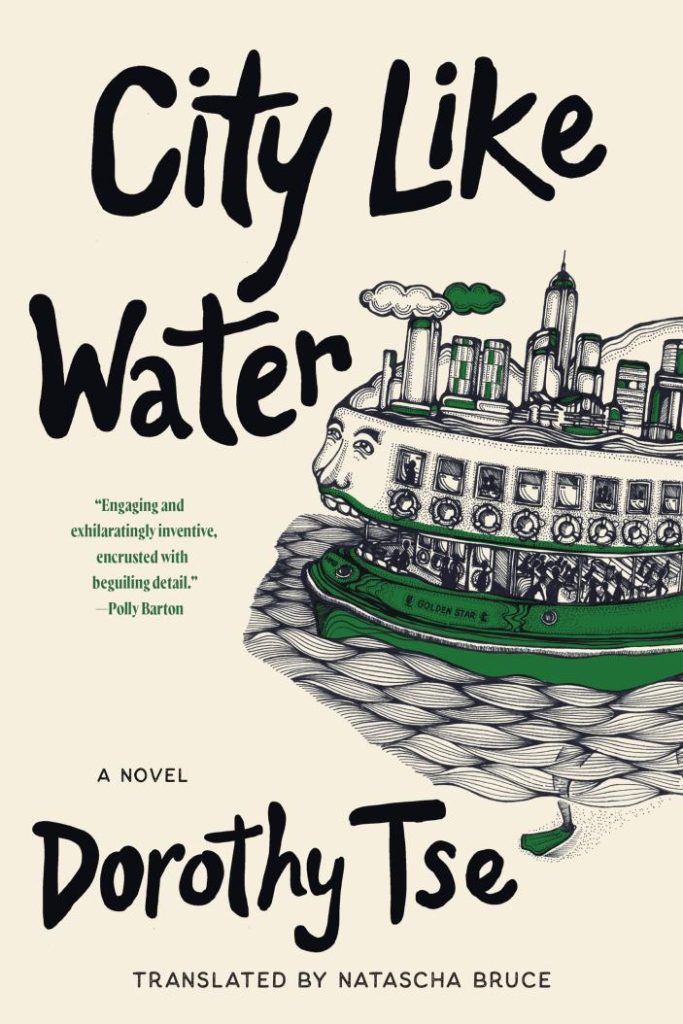
City Like Water by Dorothy Tse, translated from the Chinese by Natascha Bruce (Graywolf Press, March 3)
Your city is gone, as if sunk to the bottom of the ocean. So much has vanished with it—counterfeit watches, streets echoing with the sound of stilettos, and even some of your classmates and teachers. Your mother joins in a housewives’ protest, each woman waving the fake, bloody lotus roots they were sold until they’re turned into statues. Then it’s just you and your father at home. But soon he is absorbed into the enormous TV gifted by the government, and you can only see him in the background of soap operas. And didn’t you once have a little sister? When the police go undercover and transform your neighborhood into a violent labyrinth, where does it all leave you? Lucid, nightmarish, and indelible, City Like Water is a wondrous tale of a city not so different from your own.
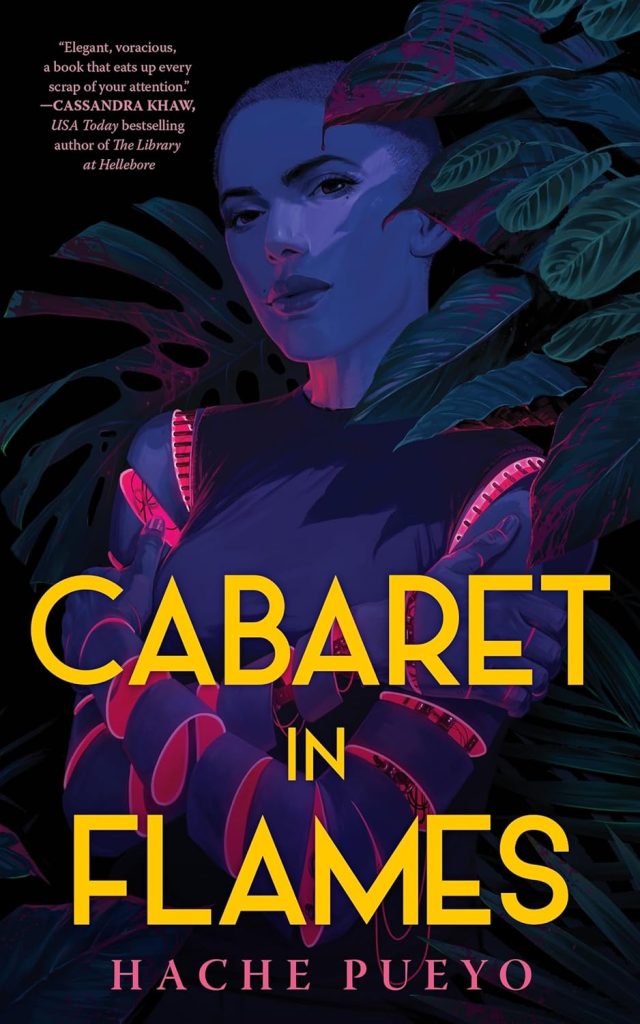
Cabaret in Flames by Hache Pueyo, translated from the Portuguese (Brazil) by the author (Tordotcom, March 10)
Hache Pueyo returns after But Not Too Bold with her new novella Cabaret in Flames, where Interview with the Vampire meets Certain Dark Things in an alternate-Brazil where brutal flesh-hungering Guls stalk the night streets and manipulate the government from their glittering cabaret.
I Was Alive Here Once: Ghost Stories (anthology) (Two Lines Press, March 10)
Through eight contemporary stories exploring a range of genres, from fantasy and horror to eco-fiction and romance, this collection breathes new life into the ghost story, foregoing familiar tropes to speak to today’s unique political and ecological horrors. Both lighthearted and menacing, I Was Alive Here Once will lead you into the haze where the living and the dead meet.
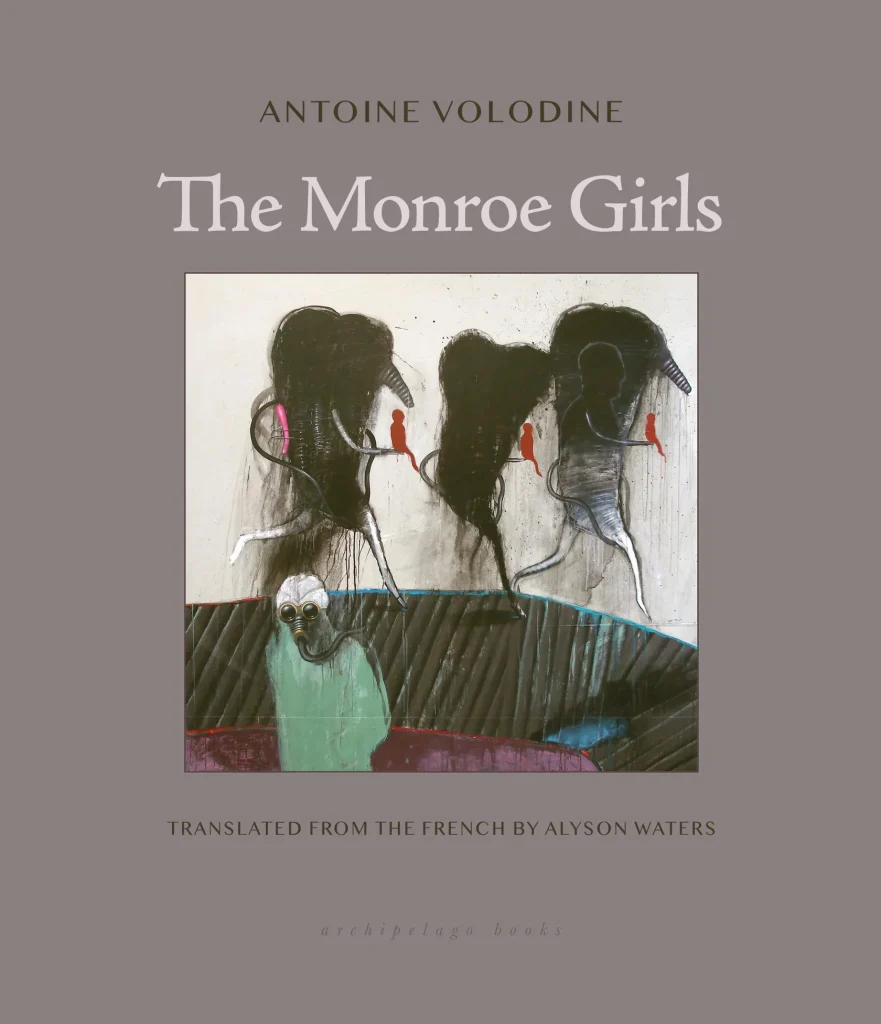
The Monroe Girls by Antoine Volodine, translated from the French by Alyson Waters (Archipelago Books, March 17)
Breton has seen brighter days. Now his body sags as he pulls a pair of binoculars to his withered face. He peers from the grimy window of a near-empty psychiatric compound—one of the last buildings standing after an unspecified disaster—spying rue Dellwo below, dreary in perpetual rain. Into this world of devastation drop the Monroe girls—paramilitaries trained in the “dark place” by Monroe, a dissident executed long ago. Their mission to revamp the Party is futile in this bleak, decaying world. Breton, our schizophrenic narrator, is tasked (and tortured) by what remains of the Party to locate and identify the Monroe girls using special optical equipment and his powers of extrasensory perception. Breton’s journey through a bardo-like, hostile labyrinth invites us into a sensual swirl of bodily decay, political acquiescence, and civilizational collapse. In this derelict setting, Volodine ruminates on identity, surveillance, life after death, and love (which, alas, does not conquer all). An urgent and blistering tale, beautifully rendered with Volodine’s distinct pathos and humor.
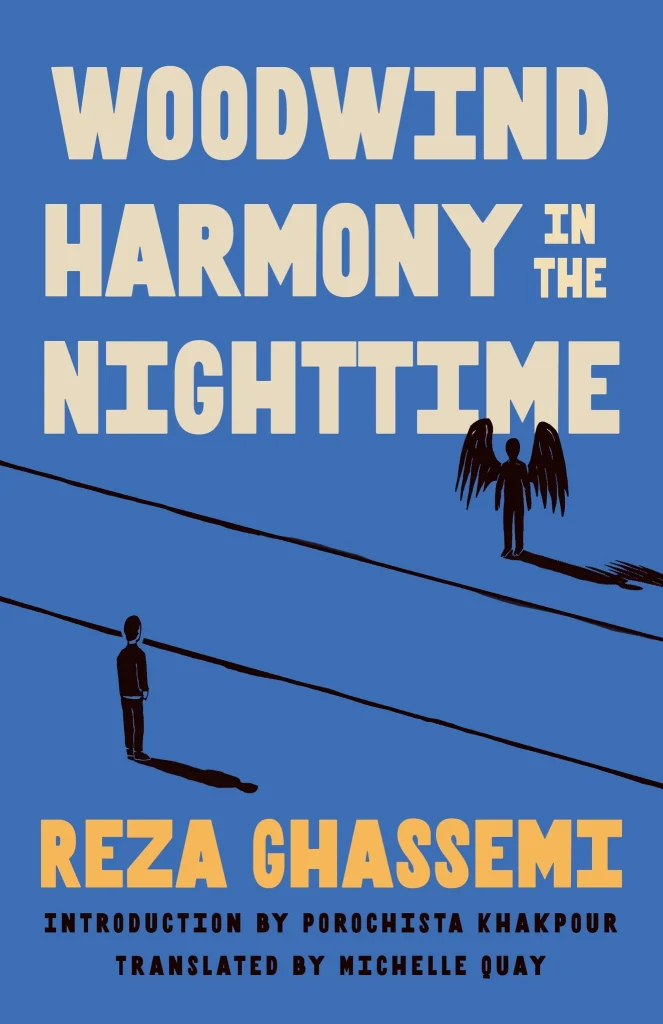
Woodwind Harmony in the Nighttime by Reza Ghassemi,
translated from the Persian by Michelle Quay (Deep Vellum, March 17)
Suspenseful, yet darkly humorous, Woodwind Harmony In The Nighttime explores the trauma of displacement, and challenges readers to piece together the story of a life shattered by exile.
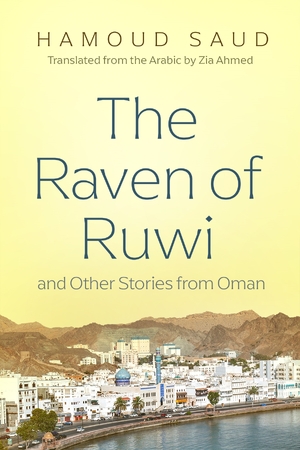
The Raven of Ruwi and Other Stories from Oman by Hamoud Saud, translated from the Arabic by Zia Ahmed (Syracuse University Press, March 18)
In this lyrical collection, author Hamoud Saud invites readers into the soul of Oman, a country famed for its long coastline, rugged mountains, and stark desert landscapes. This geography provides the backdrop for stories that reveal both the beauty and hardship of a country and people on the margins. Focused on the capital city, Saud’s Muscat is not a postcard-perfect city but a living, breathing place of cement forests, forgotten roundabouts, and ravens perched on flagpoles. Each story is fabulist in spirit but grounded in the textures of everyday life….
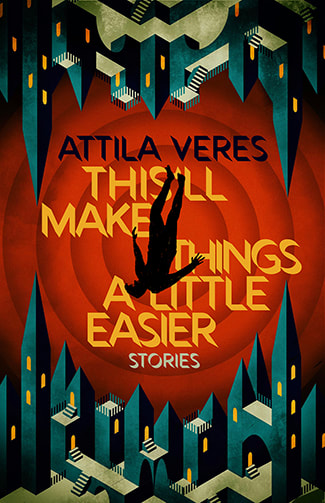
This’ll Make Things a Little Easier by Attila Veres, translated from the Hungarian by the author (Valancourt Books, March 24)
In the opening story, ‘a pit full of teeth’, an aspiring Hungarian horror writer gets the exciting news that one of his stories will be translated into the obscure language of a reclusive tribe that almost no one knows anything about. But when his copy of the translation arrives, he discovers that it doesn’t match what he wrote: instead, the text contains a much more horrific narrative that seems to be playing out in reality. In ‘The Designated Contact Individual’, a traveling representative for a soft drink company finds his sales territory expanding when he is sent to an alternate reality where they have their own nightmarish use for his cola. ‘Damage d10+7’ tells of a group of gamers who commit a terrible outrage in the fantasy world of their game and which has a deadly ripple effect in their real lives. The narrator in ‘The Summer I Chose to Die’ has decided that life is no longer worth living, but his worldview is shaken up when a murderous army of fish-people begins to rise from the oceans. And in the title story, money literally does grow on trees when the Hungarian government tries to alleviate poverty by supplying families with a strange new plant species, but their newfound financial gain will come at a terrible cost.
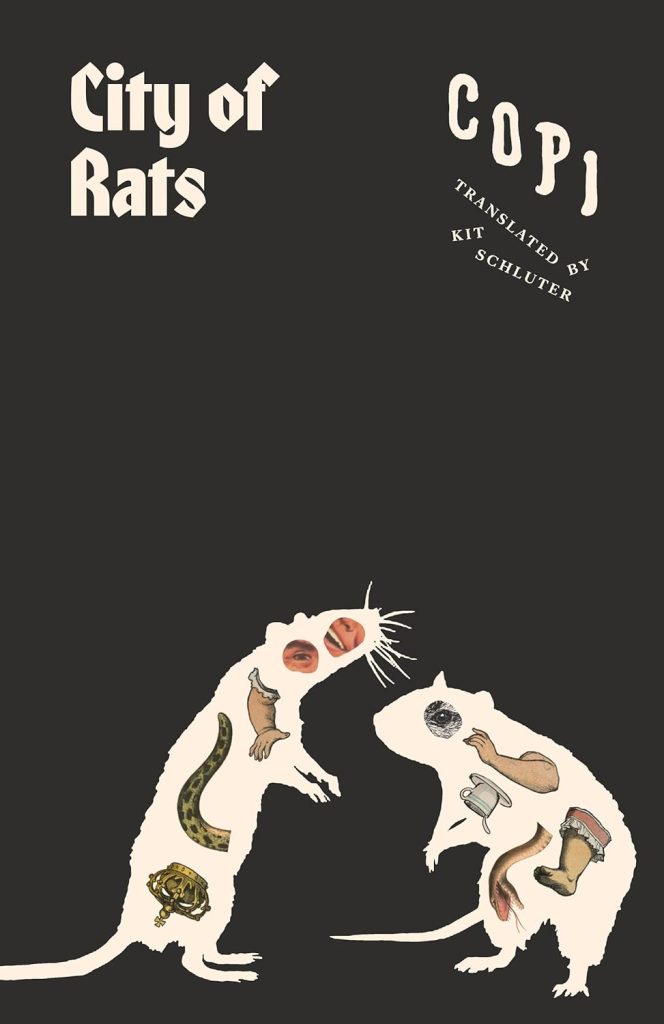
City of Rats by Copi, translated from French by Kit Schluter (New Directions, March 31)
Told in a series of letters purportedly written in rat language and posted from Gouri to his former master, City of Rats is the second novel by French-Argentine exile, novelist, cartoonist, playwright, actor, and queer provocateur Copi to be translated into English and perhaps his most madcap work, an X-rated fable with high-velocity prose that smashes through societal taboos— moral, sexual, or otherwise—like a bullet train hitting a glass house.
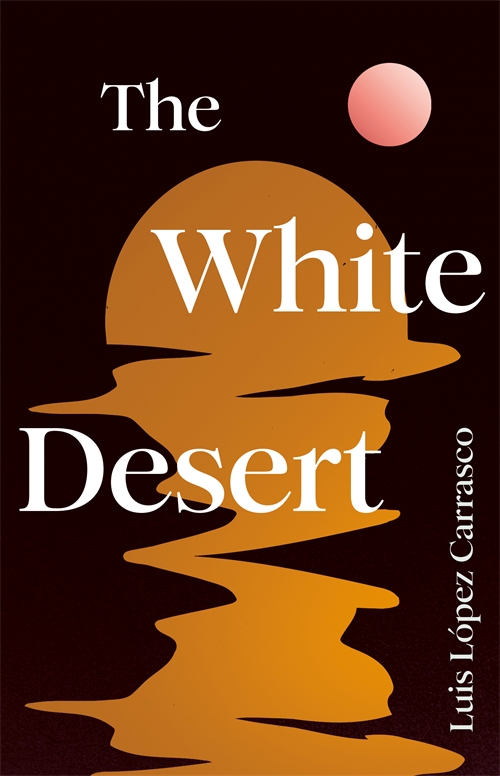
The White Desert by Luis López Carrasco, translated from the Spanish (Spain) by Rosalind Harvey (Granta Books, April 6)
Life on earth is fading to a whisper. Faced with a stalled future of economic precarity and mounting authoritarianism, Carlos and Aitana must make a decision, monumental and world-altering, about what they are prepared to sacrifice to cleave to life. Through sleight of hand and ingenious puzzle-like logic, The White Desert orbits Carlos and Aitana’s story and emerges as a collective portrait, mapping the true cost of our frictionless lifestyles. Effortlessly moving between genres, it is an adventure novel for an era of globalism, an epistolary novel set in a world of near-instantaneous communication, and a mystery novel which plays out amid bountiful data and hyperconnectivity.
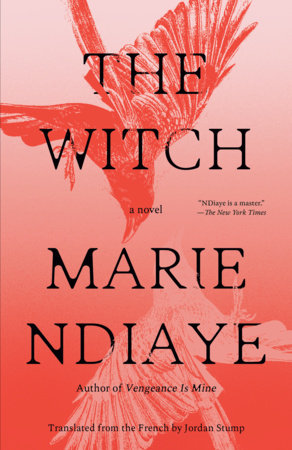
The Witch by Marie NDiaye, translated from the French (France) by Jordan Stump (Vintage, April 7)
Equal parts dreamlike and disquieting, The Witch tells a tale as old as time, with a dark twist: Without looking back, children fly the nest, laying bare the tenuous threads of family that have long threatened to snap. With simmering tension and increasing panic, NDiaye’s latest novel in English captures the terror and precarity of motherhood and marriage, and the uncertainty of slowly realizing that your progeny are more dangerous—to the world and to your heart—and freer than you ever could have dreamed.

The Perfect Circle by Claudia Petrucci, translated from the Italian by Anne Milano Appel (World Editions, April 7)
Two women far apart in time, a mysterious unsellable mansion in Milan that connects them: two lives that start to overlap as impossible parallels are revealed in this story of passion, betrayal, and selfish desire.
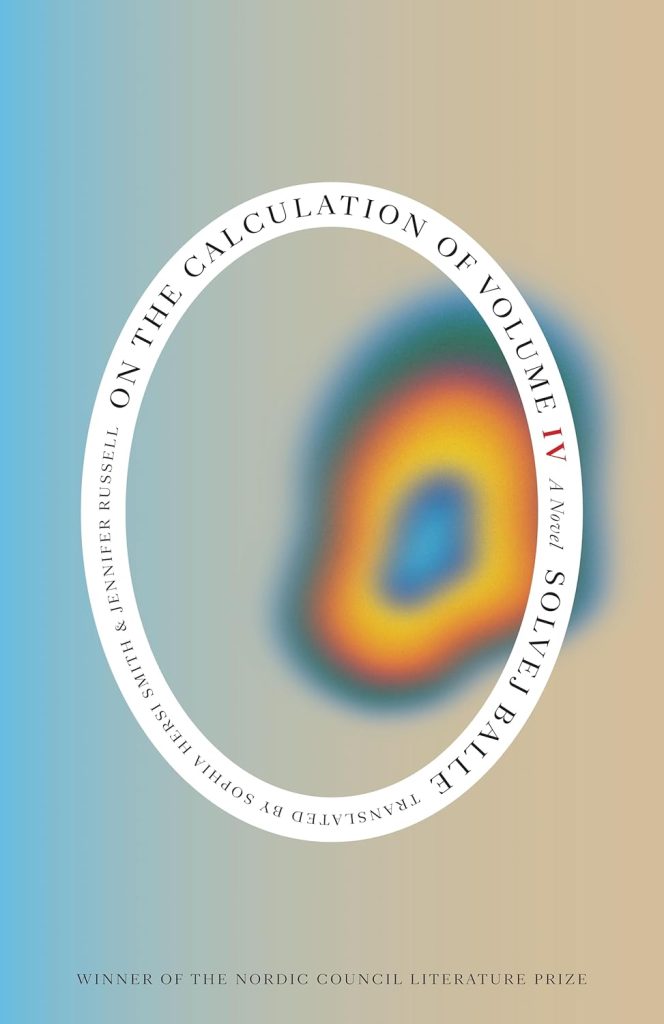
On the Calculation of Volume (Book IV) by Solvej Balle, translated from the Danish by Sophia Hersi Smith and Jennifer Russell (New Directions, April 14)
We’re a little more than halfway through Balle’s hypnotic, monumental seven-volume novel about a woman set adrift within the walls of November 18th…In Book III we saw the addition of a handful of new characters to Tara’s world—fellow travelers within November 18th—and now Book IV heralds the arrival of many others, and soon to be even more, roaming uncertainly through the same November day. Could this be the first stirrings of an alternate civilization? The big house in Bremen turns into the headquarters for this growing group of time-trapped individuals. But who are they and what has happened to them? Are they loopers, repeaters, or returners? A brilliant modern spin on the myth of Babel, Book IV asks urgent questions, concerning the naming of things, and people, and of the functions of language itself–must a social movement have a common language in order to exist?…Amid the buzz and excitement of a new social order coming into being, Book IV ends with a sudden, unexpected, and tantalizing cliffhanger that no one—not even Tara, our steady cataloger and cartographer of the endless November day—could have foreseen.
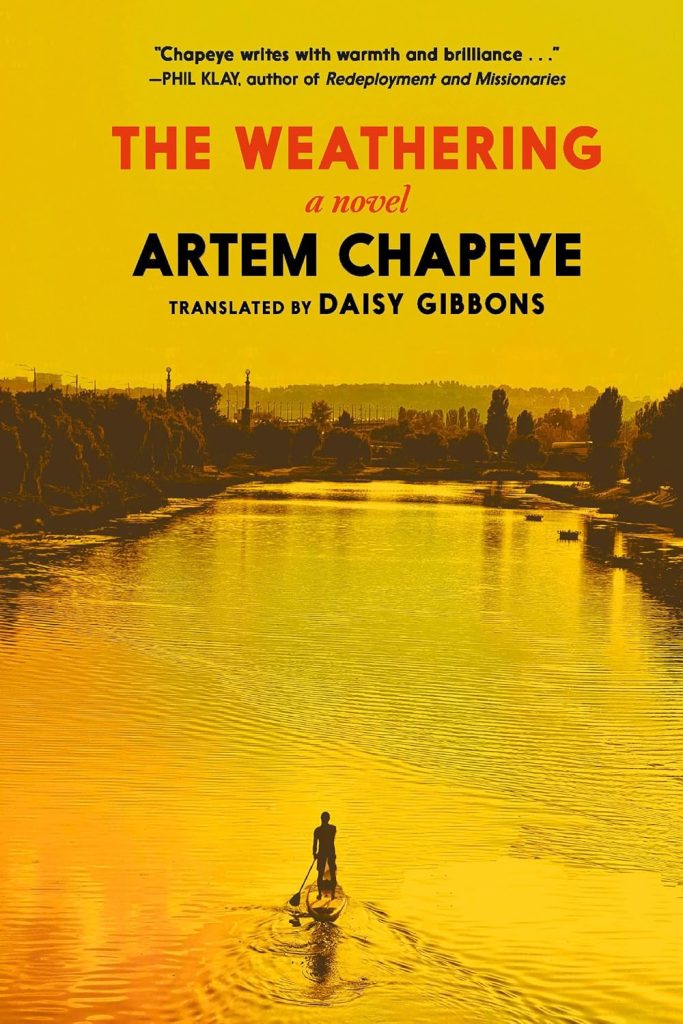
The Weathering by Artem Chapeye, translated from the Ukrainian by Daisy Gibbons (7 Stories Press, April 14)
Award-winning Ukranian author Artem Chapeye’s new novel follows a young couple who, upon returning to Kyiv from a bucolic summer vacation in the Carpathian Mountains, discover that the world as they once knew it no longer exists. As they contend with the aftermath of an earth-shattering event that they didn’t witness, the couple is must align themselves with the rest of the survivors to retain their humanity and forge a new world in the ashes of the old.
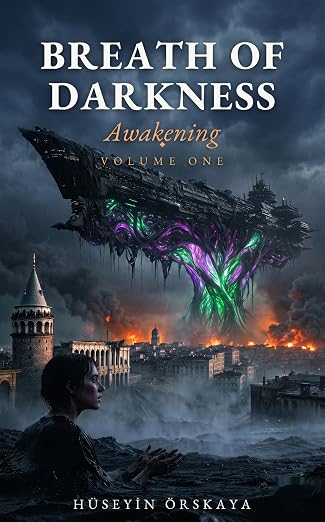
Breath of Darkness: Volume One (Awakening) by Hüseyin Örskaya, translated from the Turkish by the author (independently published, April 23)
Istanbul has exhaled its last breath. The sky bleeds an unnatural dusk, the Bosphorus hums with a light that does not belong to any known star, and crystal lattices have begun to grow out of the bones of the drowned city: threads of green, veins of violet, a second nervous system waking beneath the ruins. Anitta wakes in a world that is no longer the one she fell asleep in. Reha remembers a name that should not exist. Onur follows a signal no instrument can measure. Taru, the ship’s intelligence, hears a voice that is almost, but not quite, human, and decides that to save the last of the species, she must first take their will away from them. Seven lives, seven fractures, one long tremor beneath the surface of the real. Something has opened a window between what we are and what is watching. In the silence that follows, each of them must decide which language to answer in.
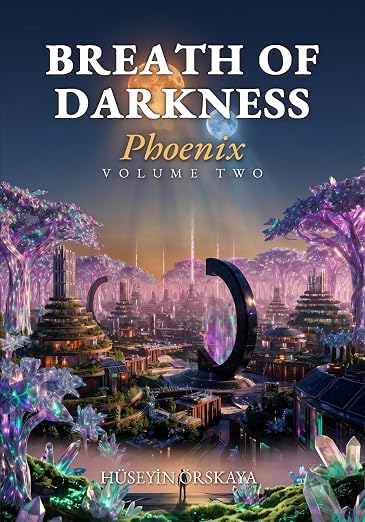
Breath of Darkness: Volume Two (Phoenix) by Hüseyin Örskaya, translated from the Turkish by the author (independently published, April 23)
Phoenix is a novel about what comes after survival. About the rooms that open only once you stop running. About a planet that learns to breathe beside its guests, and about a colony that answers Zero Will with Plural Will: the founding principle that no decision is made on anyone’s behalf.
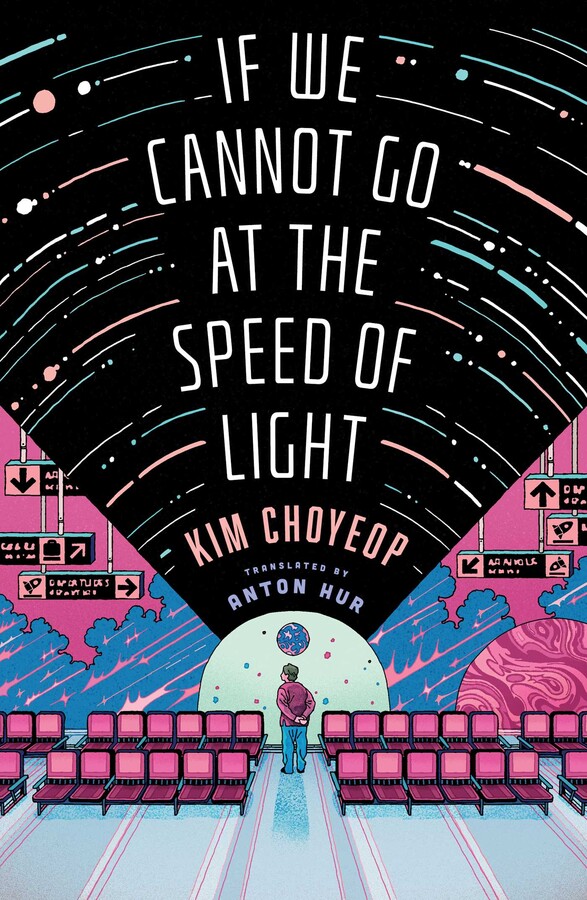
If We Cannot Go at the Speed of Light by Kim Choyeop, translated from the Korean by Anton Hur (S&S/Saga Press, April 28)
From Korean science fiction author Kim Cho-yeop, a stunning and poignant collection of literary speculative fiction stories that explore the complexities of identity, love, death, and the search for life’s meaning, perfect for fans of Exhalation and The Paper Menagerie.
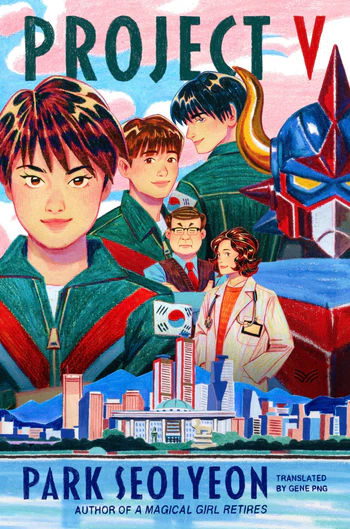
Project V by Park Seolyeon, translated from the Korean by Gene Png (HarperVia, April 28)
STEMinist mecha fantasy meets reality television in this high-stakes novel from the author of A Magical Girl Retires—a wildly imaginative tale of sibling bonds, unexpected friendship, and an existential quest to understand what it means to be human.
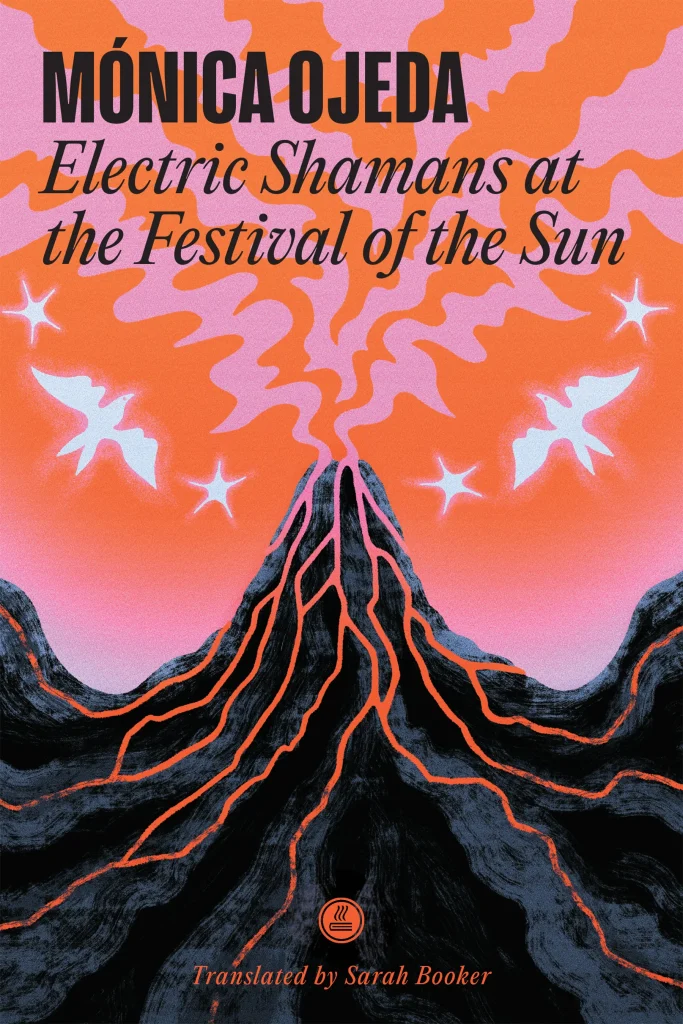
Electric Shamans at the Festival of the Sun by Mónica Ojeda, translated from the Spanish by Sarah Booker (Coffee House Press, May 12)
In the near future, best friends Noa and Nicole flee their home in Guayaquil, Ecuador to attend the Solar Noise Festival, a week-long, retro-futuristic gathering at the foot of an active volcano. While Noa fully embraces the haze of narcotics and hedonism in an effort to obscure her true reason for attending, Nicole senses something darker at play behind the festival’s so-called “celebration of life.” Amid technoshamanic poetry, collective hallucinations, and ritualistic dances, each girl navigates her own path in an effort to escape her past and reclaim her right to a future.
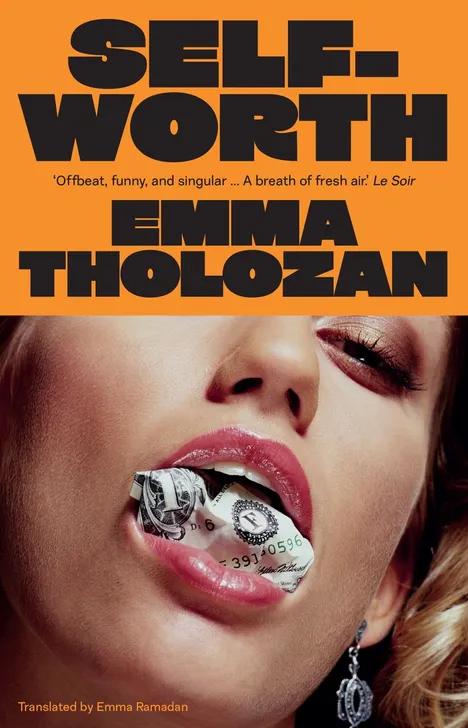
Self-Worth by Emma Tholozan, translated from the French (France) by Emma Ramadan (Scribe US, May 19)
Fresh from graduating with her master’s in philosophy, Anna is shocked when a career counsellor tells her she has ‘no special skills’. Desperate for work and financial independence, she accepts a thankless job at a TV talk show. She might be making minimum wage, but at least she has her boyfriend Lulu, the love of her life, to come home to at night. But one day Lulu starts throwing up cash — thousands of euros in just a few days — hurtling the twenty-something couple into unforeseen wealth. Having spent their lives proudly rejecting consumer society, they suddenly find themselves rich, and Anna is loving every minute of it: she gets a designer bag, they vacation in Tahiti, they throw wild parties in their fancy new apartment. As Anna grows accustomed to a life of luxury, Lulu’s health suffers, and she wonders: what would be worse, losing him or losing the money?

Teddy Bears Never Die by Cho Yeeun, translated from the Korean by Sung Ryu (Run For It, May 26)
A young woman and a possessed teddy bear set out on a revenge quest unlike any other in this stylish slasher from Cho Yeeun, a rising star in Korean horror.
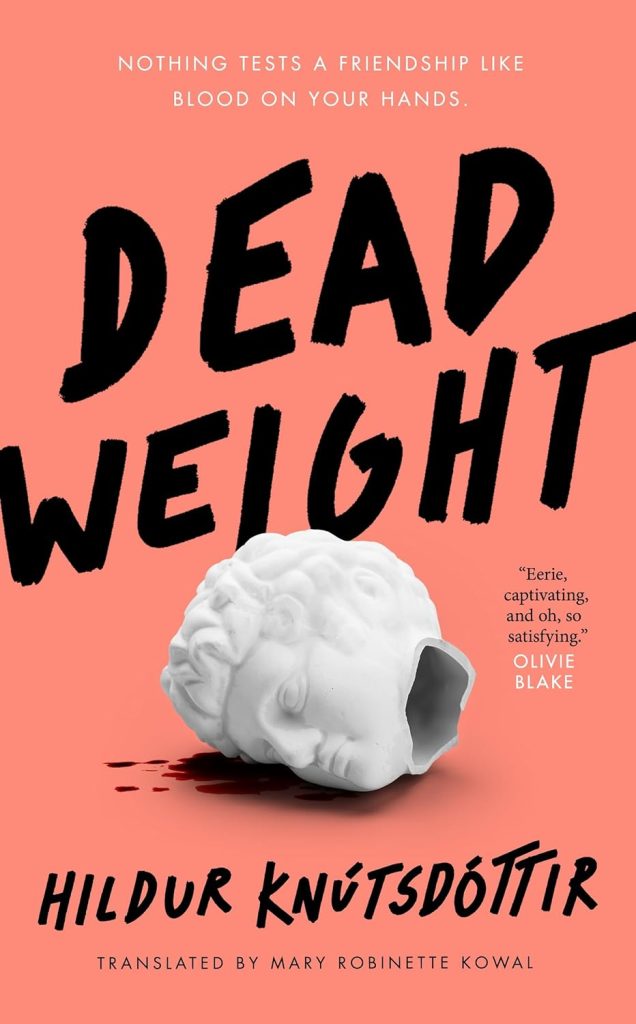
Dead Weight by Hildur Knútsdóttir, translated from the Icelandic by Mary Robinette Kowal (Tor Nightfire, May 26)
Unnur was living a normal, if lonely, life until a black cat showed up at her door. Trying to do the right thing, Unnur reunites the lost pet with its owner—a young woman named Ásta who is in desperate need of some help. Unnur reluctantly agrees to take in the cat until Ásta is able to care for it again herself. Soon, Ásta becomes a fixture in Unnur’s life and the two form an unlikely friendship. But like a black cat, trouble is tailing Ásta, and Unnur is the only one there when things take a violent turn. Nothing tests a friendship like blood on your hands.
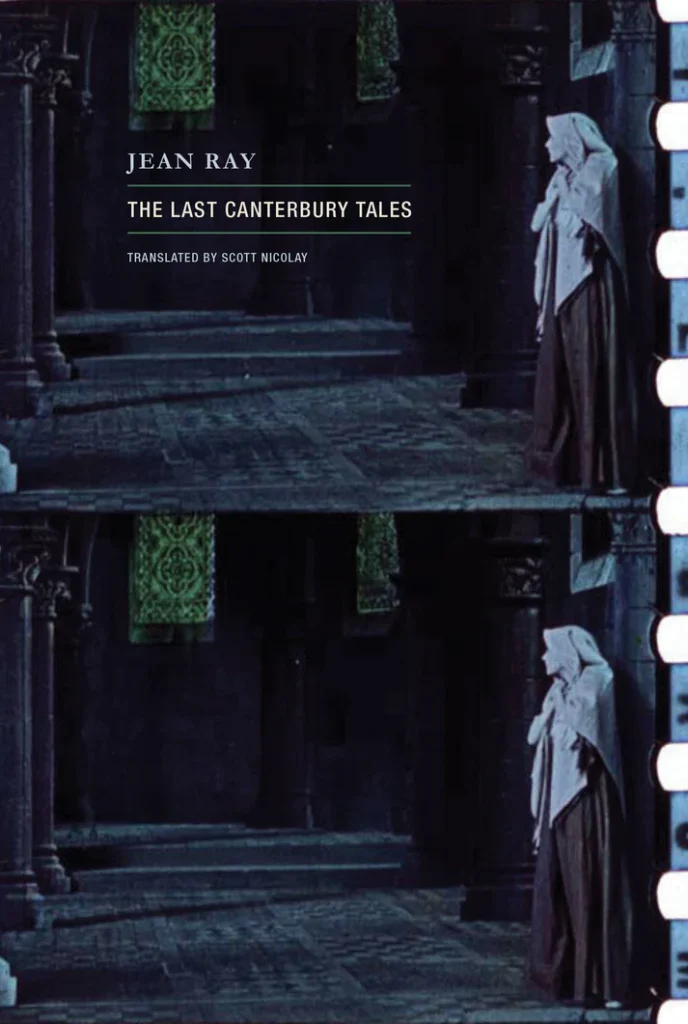
The Last Canterbury Tales by Jean Ray, translated from the French (Belgium) by Scott Nicolay (Wakefield Press, May 26)
Drawing on the lineage of British Gothic fiction, German Romanticism, and—with such character names as Mistress Squeak, Dick Wallet, Teddy Ruddle, and old Mr. Pankeydrop—Dickensian humor, Ray spins a series of tales that embody his own distinct mixture of weird Catholic mythology and cosmic horror. The Last Canterbury Tales, first published in French in 1944, makes no pretense of finishing Chaucer’s masterpiece but instead works toward a denouement of its own that reveals an unexpected act of storytelling underpinning this collection.
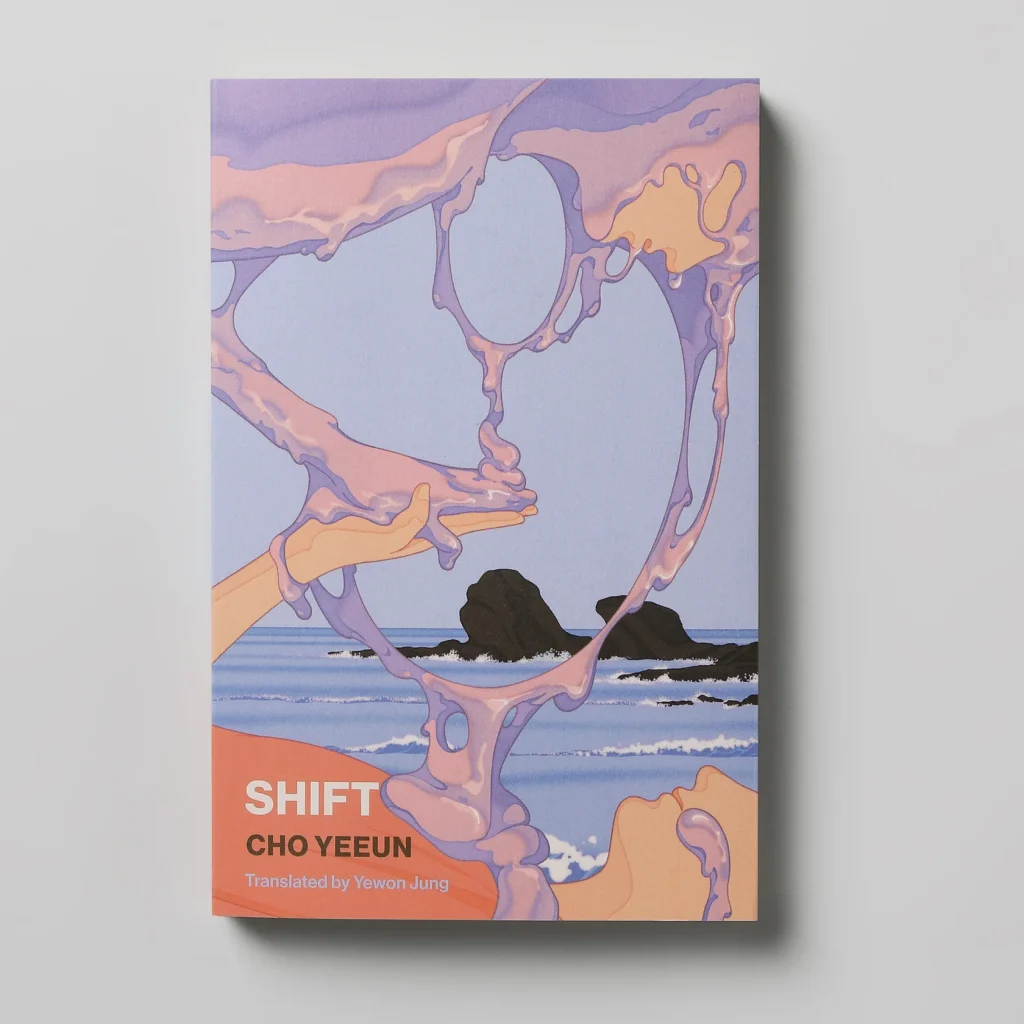
Shift by Cho Yeeun, translated from the Korean by Yewon Jung (Honford Star, May 29)
Detective Yi Chang needs another miracle. Ten years ago his sister was healed of her deadly cancer by a mysterious cult leader, but now his young niece has inherited the same disease. The only lead Yi Chang has is the body of a murder victim found in an abandoned building in the Korean seaside. The man was stabbed repeatedly, but the knife found next to the body is covered with someone else’s blood. Even stranger, the victim’s face is covered with malignant melanoma, a disease he did not have. With time running short, Yi Chang must discover how this murder is related to the cult leader he so desperately seeks.
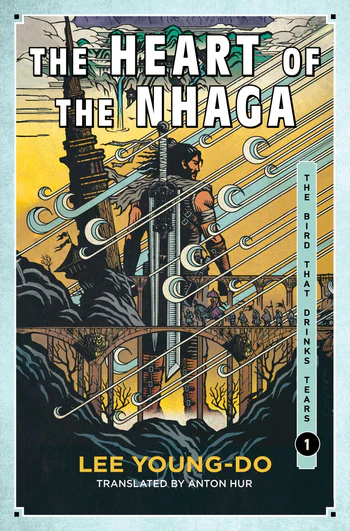
The Heart of the Nhaga by Lee Young-do, translated from the Korean by Anton Hur (Harper Voyager, June 2)
Welcome to Lee Young-do’s epic classic series, The Bird That Drinks Tears. The master of Korean fantasy—often cited as the J.R.R. Tolkien of South Korea—Lee Young-do has created a tale of castles built on the backs of flying mantas, giant birdmen, heartless immortals, and a quest that will change the very nature of the world and its gods, available for the first time in English by award-winning translator Anton Hur.
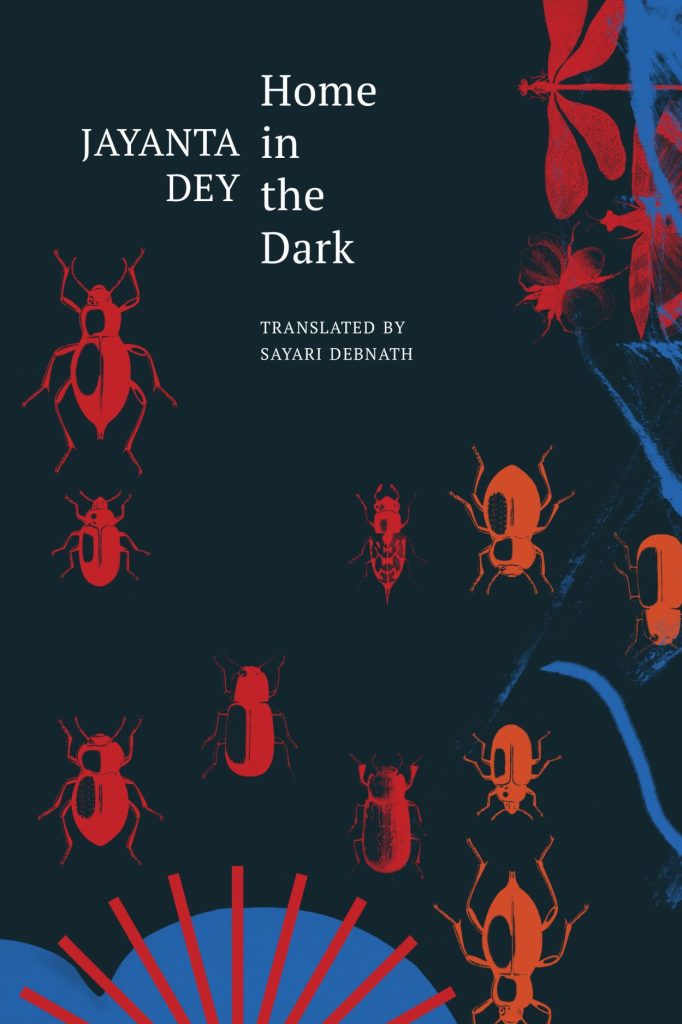
Home in the Dark by Jayanta Dey, translated from the Bengali by Sayari Debnath (University of Chicago Press, June 5)
When civility is just a mask, what happens when it slips? This collection of gripping stories pries open the cracks in urban life, revealing the chaos and cruelty beneath. Home in the Dark peels back the polished surface of middle-class life to expose the shadows lurking underneath: violence, betrayal, and the unsettling truths we refuse to see. In these fifteen gripping stories, Jayanta Dey weaves a world where desperation takes strange forms: a woman on the brink of suicide finds an unlikely savior in a rat, a stolen clock carries the weight of communal hatred, and a writer–publisher duo rides the highs of literary success—until their lucrative business in pornography turns against them.
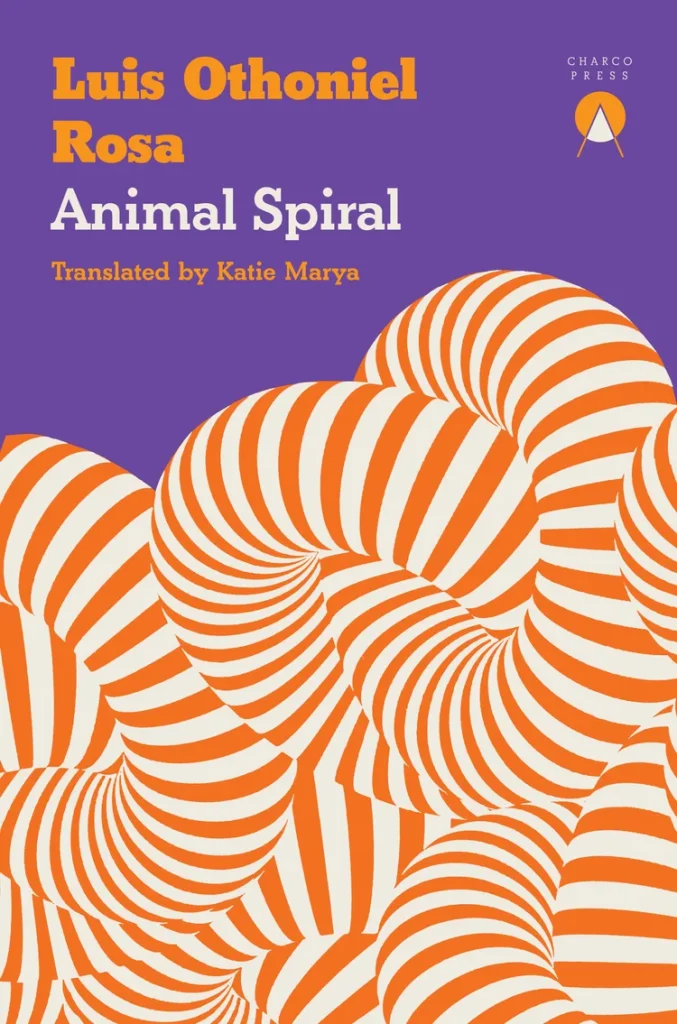
Animal Spiral by Luis Othoniel Rosa, translated from the Spanish (Puerto Rico) by Katie Marya (Charco Press, June 23)
The post-colonial birth, life, and death of the collective consciousness known as the Animal. Middle-aged streamer twins in Bayamón, Puerto Rico, are the first human beings to successfully connect—sharing their consciousness across 34 translucent cables. In that moment, the Animal is born, an intracerebral force that quickly grows to encompass anthills of synaptically entwined bodies, a floating library kitchen redolent of rice and beans far above the Mississippi river, and a transhuman compound in a future Cuba on the Isle of Youth.
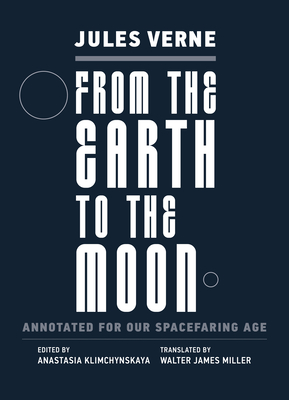
From the Earth to the Moon: Annotated for Our Spacefaring Age by Jules Verne, edited by Anastasia Klimchynskaya, translated from the French by Walter James Miller (MIT Press, June 30)
A new, annotated edition of Jules Verne’s classic, which considers the past, present, and future of spaceflight from scientific as well as humanistic angles. In an age when the idea of a “planet B” seems tempting, this edition of Verne’s classic From the Earth to the Moon (1865) offers a complete and unabridged translation into English alongside extensive annotations and essays from contributors that span disciplines. It uses the prescient novel as a launching pad to consider the past, present, and future of spaceflight from scientific, humanistic, social, legal, and ethical angles.
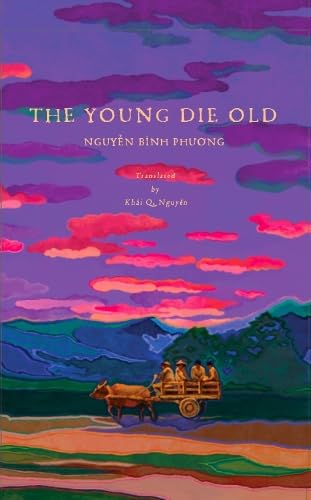
The Young Die Old by Nguyễn Bình Phương, translated from the Vietnamese by Khải Q. Nguyễn (Major Books, June 30)
Mysterious, unsettling, but darkly poetic, this magical realist novel echoes the timelessness of García Marquez and Faulkner. Set in the mythic village of Phan, the novel follows a tangled web of characters haunted by buried secrets, ancestral curses, and an unnamed historical trauma. Two feuding families vie for control of a mysterious treasure said to lie beneath the land, while a former soldier wanders the village, driven by fractured memories, and unfulfilled desires.

The Playful Lem: A Short Story Sampler by Stanislaw Lem, translated from the Polish by Michael Kandel (Modern Language Association of America, July 1)
Conjuring worlds in which robots are kings and Earthlings exist on the fringes of the universe, Stanisław Lem’s anachronistic fairy tales and science fiction parables envision knights who fight for the favor of a mechanical princess, a computer that can create anything (so long as it begins with the letter n), and a human astronaut who goes undercover on a planet ruled by robots. In celebrated translations by Michael Kandel, these stories highlight age-old human weaknesses—vanity, jealousy, cowardice, and cruelty—while tickling the reader with layered humor ranging from satire to wordplay to slapstick.
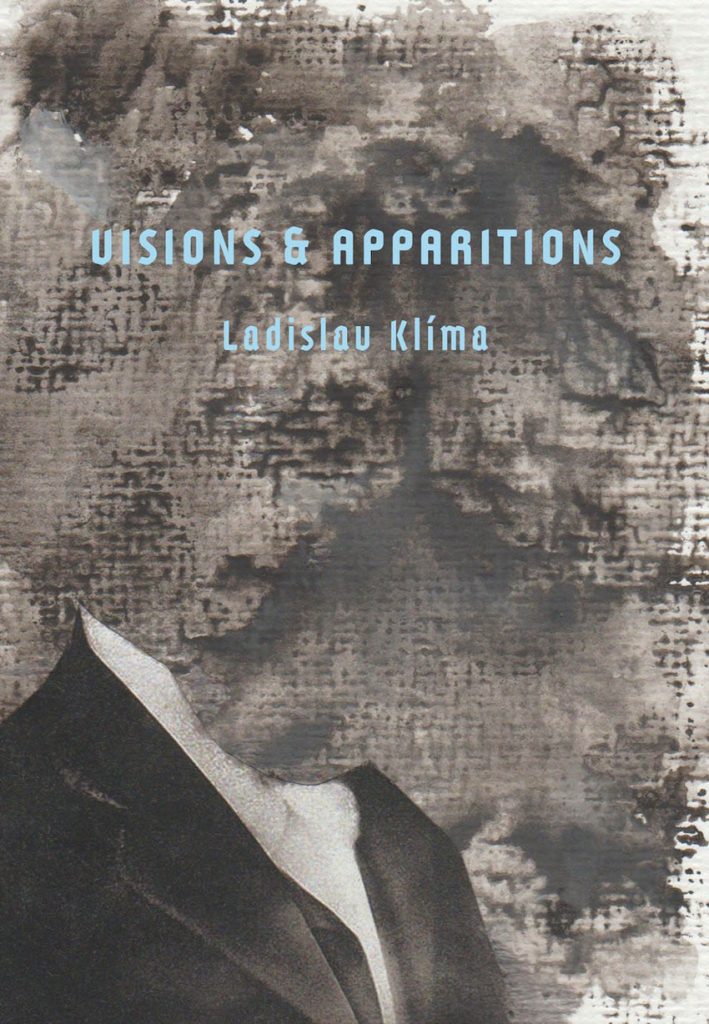
Visions & Apparitions: Selected Tales of the Uncanny by Ladislav Klíma, translated from the Czech by Jed Slast (Twisted Spoon Press, July 6)
Collected here for the first time in English, Visions & Apparitions represents the greater part of Klíma’s output of ghost stories. Klíma employed the horror genre as a way to explore his subjectivist philosophy, and by all accounts he enjoyed writing them to pass the time. At times playful and lyrical, if not outright comical, the stories were written at various stages, the last text, ostensibly a one-act play about the undead, penned (or dictated) in the final months of his life. Taken together, they reflect Klíma’s lifelong preoccupation with the nature of “reality” as a matrix of madness, hallucination, and dream permeated with all-to-real phantoms and ghouls. Akin to Poe, ghosts emerge from the unconscious or the power of imagination and materialize as more than mere figment, visible even to others.
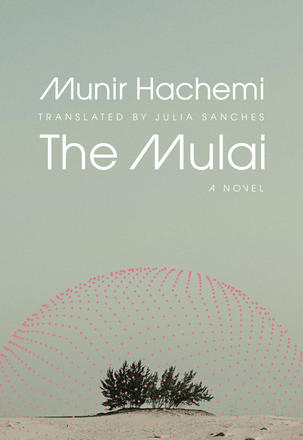
The Mulai by Munir Hachemi, translated from the Spanish by Julia Sanches (Coach House Books, July 14)
Interstellar via Invisible Cities: spec-fic translated from Spanish imagines life on another planet….Drawing on Borges, Le Guin, and Calvino, The Mulai is a mind-bending work of metafiction whose interlocking puzzles resound with Munir Hachemi’s singularly playful and eclectic style.
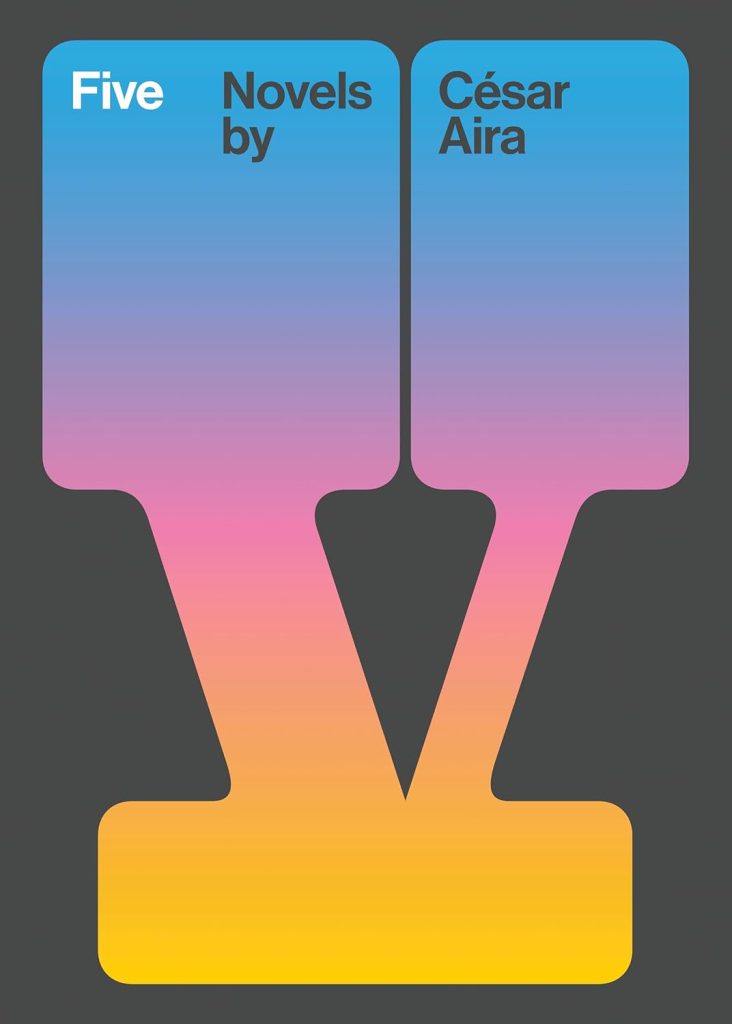
Five by César Aira, translated from Spanish (Argentina) by Chris Andrews (New Directions, July 28)
Five, selected from over 100 untranslated novels and stories by “the Duchamp of Latin America” (Natasha Wimmer), brings together—each an astonishing work—Margarita: A Memory, The Dream, Musical Brushstrokes, Princess Springtime, and The Hormone Pill. Following a cast of dreamlike characters including cyber nuns, a young princess forced to be a hack translator, a newspaper vendor, and General Winter and his sadistic sidekick, the Little Christmas Tree, Five shows the many facets of Aira’s multifarious mind as he turns expectations inside-out and gleefully explodes genre conventions.
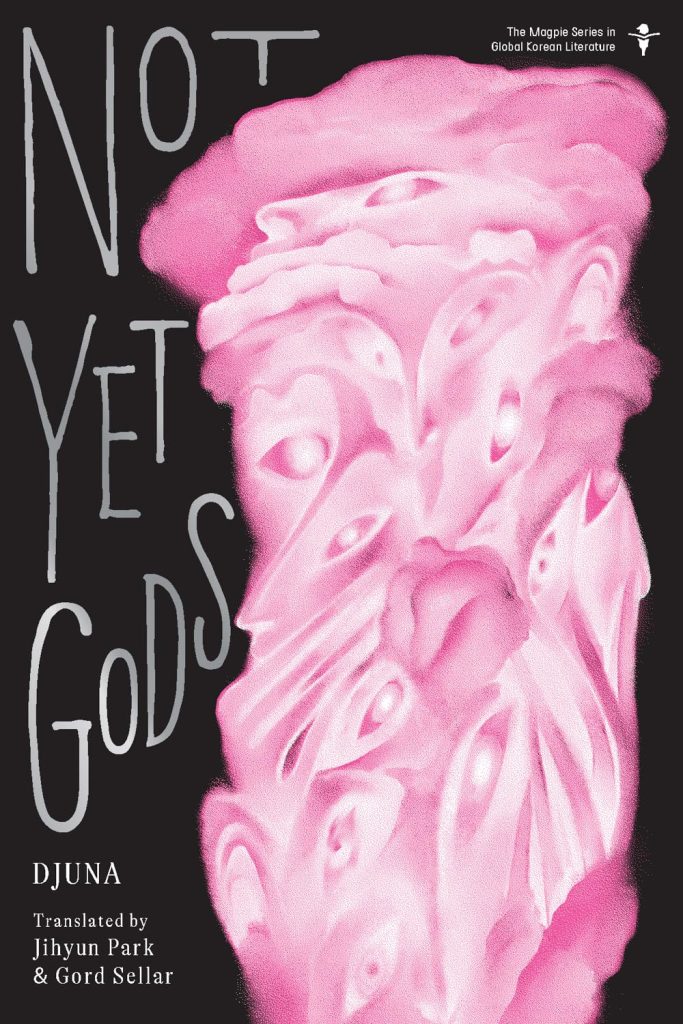
Not Yet Gods by Djuna, translated from the Korean by Gord Sellar and Jihyun Park (Kaya Press, August 11)
Following the landmark English-language publication of Everything Good Dies Here, Kaya Press delivers more provocative thought experiments by pseudonymous author Djuna, whose writings on internet culture have attracted a cult following in South Korea. Not Yet Gods explores the universe-shattering effects of teenage anger cross-pollinated with radiation-induced psychic powers, unscrupulous governments and corporate avarice.
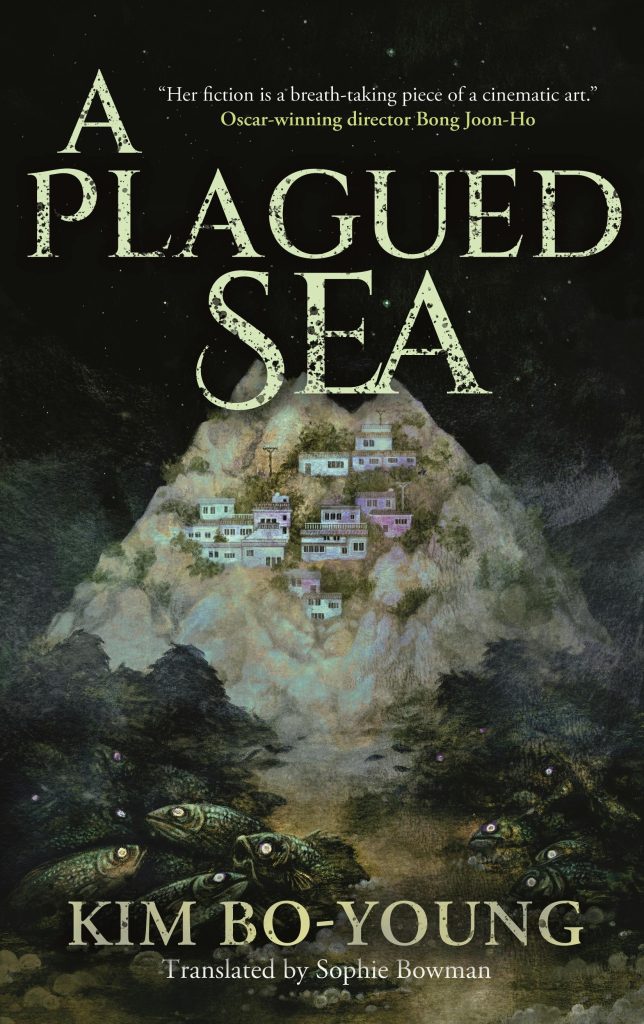
A Plagued Sea by Kim Bo-Young, translated from the Korean by Sophie Bowman (Tor Nightfire, August 11)
While waiting for a train to Haewon, an isolated Korean seaside village, bodyguard Mu-young gets a disaster alert on her phone. TVs throughout the station report breaking news of a massive earthquake on the eastern coast. Despite the danger, Mu-young boards the train with her niece: she’d rather face the earthquake than leave the girl in her mother’s care. That choice haunts her for the rest of her life. Three years later, Haewon Village is home to horrors. The earthquake unleashed an ancient plague that transforms its victims into fishy monsters, and the government’s lockdown has cut off any hope for help. Mu-young’s niece is dead, and all that’s left for her is to hunt villagers who break isolation. When an officious bureaucrat from Seoul arrives in the village, he stirs up even deeper trouble. Will Mu-young survive? Does she even deserve to?
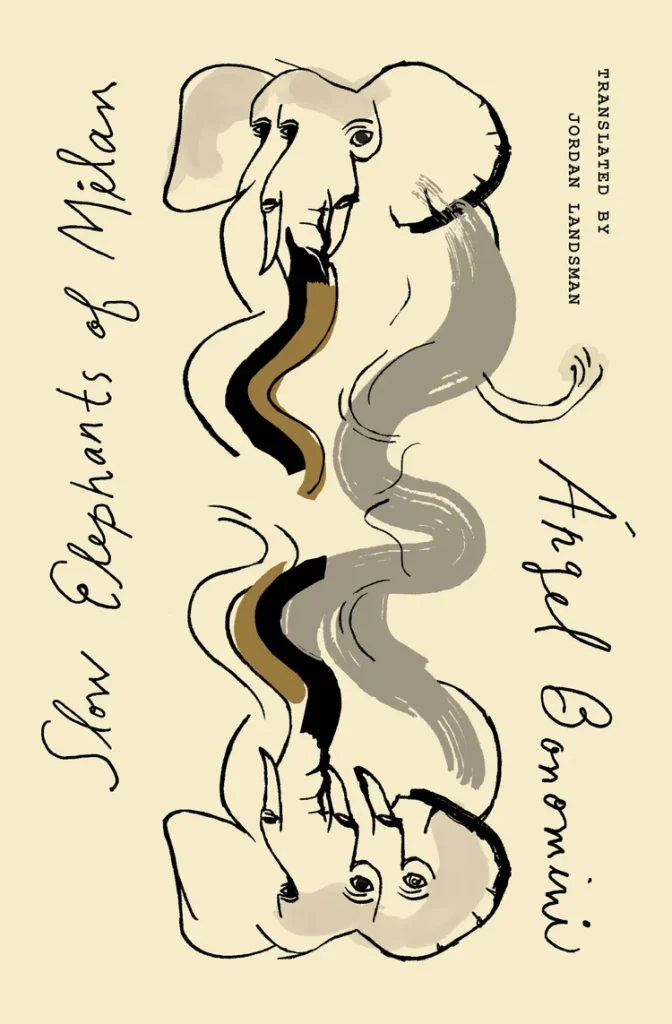
Slow Elephants of Milan by Ángel Bonomini, translated from the Spanish (Argentina) by Jordan Landsman (Transit Books, August 11)
In twelve short fictions threaded together by an insatiable curiosity about time, memory, art, and the divine, Ángel Bonomini (The Novices of Lerna) explores “the sweet and subtle interrelations of things.” Originally published in 1978 and appearing in English for the first time, Slow Elephants of Milan is an indispensable addition to our literature of the strange and fantastic.

Last Day of a Prior Life by Andrés Barba, translated from the Spanish by Lisa Dillman (HarperVia, August 25)
While eagerly preparing a house for prospective buyers, a woman finds herself face to face with a strange sight: a seven-year-old boy who doesn’t blink. Seemingly appearing and disappearing before her again and again, he sooner resembles an apparition. But one thing is clear: the boy wants something from her. Choosing to leave her everyday world behind, the woman steps through the looking glass, inadvertently nurturing a disturbing co-dependence and discovering a suspended time, a loop, and another life in the process.

The Black Box: Stories by Mata Kastrisiou, translated from the Greek by Kostas Kaltsas (Arb Editions, September 1)
Fierce and sophisticated, dark and dreamy, The Black Box is a collection of transgressive, poetic fiction by Mata Kastrisiou. Each story reveals an unsettling vision of the fantastic merging with the everyday. A homeless person beds down for the night on New Year’s Eve, schoolchildren compete for a trip to meet their favorite cartoon character, a murderous domestic melodrama unfolds on a distant asteroid, an elderly man reckons with his failing memory on an empty beach—Kastrisiou explores these points of view and more with economy of language and acute social consciousness. Ranging from the darkly comic to the tender and gently melancholy, Kastrisiou writes with empathy, lack of pretense, and a deep insight into our shared humanity.
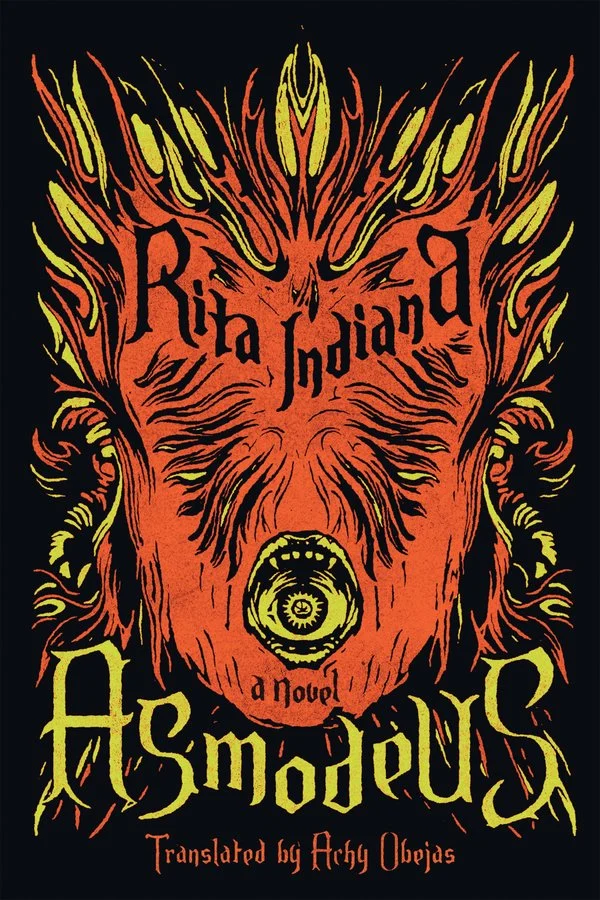
Asmodeus by Rita Indiana, translated from the Spanish (Dominican Republic) by Achy Obejas (Graywolf Press, September 1)
Asmodeus, a millennia-old demon, has inhabited Rudy, a once-legendary Dominican rock star, for decades. But in 1992, the demon’s powers begin to fade. What follows is a desperate weeklong odyssey as Asmodeus ricochets through the bodies of the inhabitants of Santo Domingo’s underworld: from Guinea, a young metalhead plotting a warehouse heist, to Mireya, the daughter of a former torturer, to other souls caught in his chaotic orbit. Each possession reveals another layer of a city still reeling from the Balaguer dictatorship. And each new host engenders a surprising tenderness in the demon.
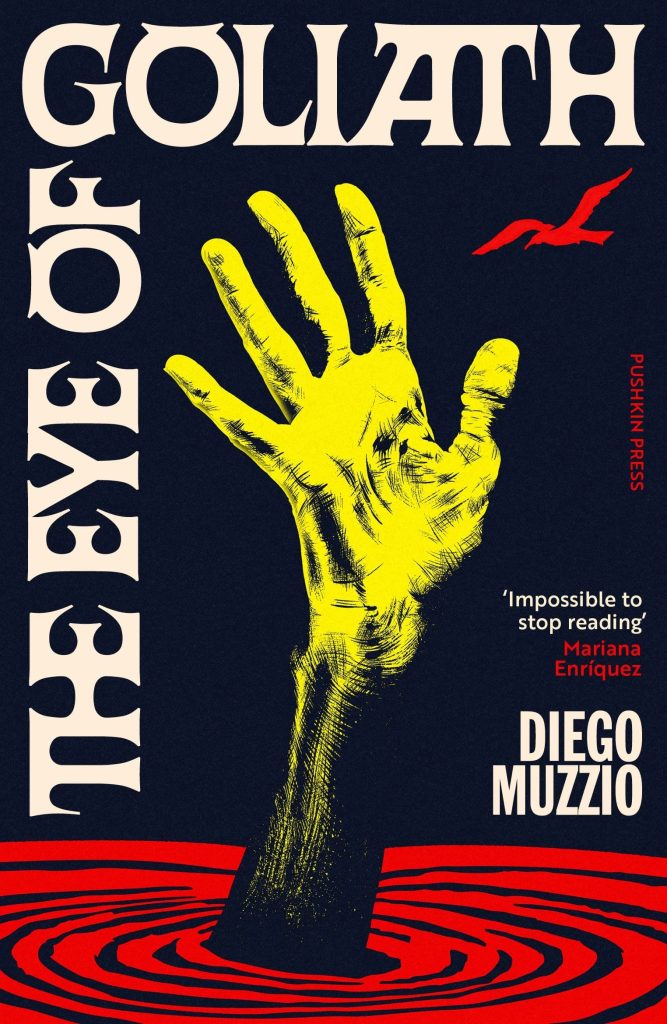
The Eye of Goliath by Diego Muzzio, translated from the Spanish by Rahul Bery (Pushkin Press, September 1)
In an old sanatorium on the outskirts of Edinburgh, Dr Edward Pierce develops experimental therapies to treat patients traumatised by the First World War. Late one night, he receives a visitor who asks him to take on a bizarre case: David Bradley, an engineer who was sent to inspect the conditions of a lighthouse on a desolate island in southern Argentina. This once rational, disciplined man returned completely mute, his body overwhelmed by a single compulsion: to swim and swim, in any environment, to the point of total exhaustion. As Pierce becomes fixated on Bradley’s diary, a macabre record of his increasing derangement, he explores strange new treatments in which the lines between doctor and patient begin dangerously to blur.
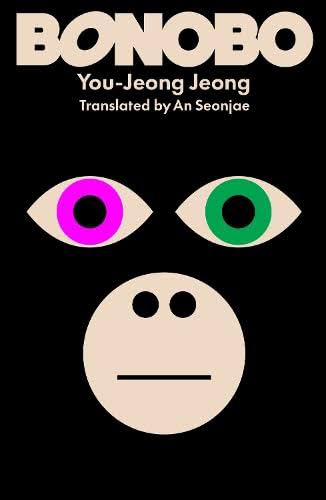
Bonobo by You-Jeong Jeong, translated from the Korean by An Seon Jae (Creature Publishing, September 1)
Primatologist Jini has tried to forget her betrayal: when she found a baby bonobo headed for the abuses of the black market, she failed to set it free. But a late-night car accident reunites them years later, embedding Jini’s consciousness in the terrified animal and leaving her human body hovering between life and death. As she and deadbeat protector-for-hire Minjoo search for her body, Jini drifts through the bonobo’s memories of joy, degradation, and panic. For the first time, she’ll have to rethink her power over other creatures—and her powerlessness against the forces of nature.
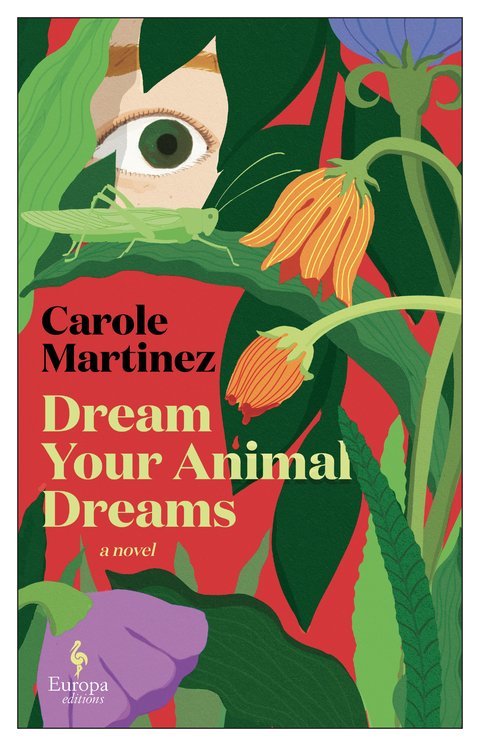
Dream Your Animal Dreams by Carole Martinez, translated from the French by Adriana Hunter (Europa Editions, September 8)
In Dream Your Animal Dreams, Carole Martinez crafts a haunting, visionary novel that entwines the personal with the global in a tale of dreams, survival, and transformation.
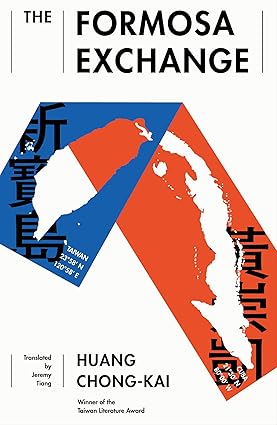
The Formosa Exchange by Huang Chong-kai, translated from the Chinese (Taiwan) by Jeremy Tiang (Honford Star, September 8)
On the 20th of May, 2024, one day after the inauguration of Taiwan’s first Indigenous President, the entire population of the island wakes up to discover they have suddenly switched places with the residents of Cuba.
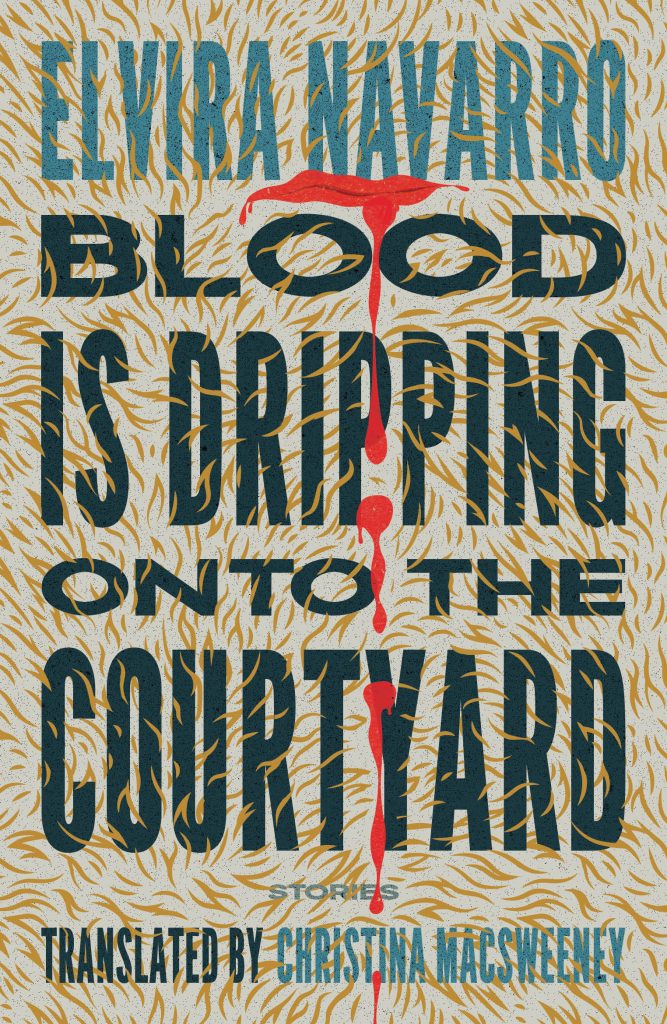
Blood Is Dripping onto the Courtyard by Elvira Navarro, translated from the Spanish by Christina MacSweeney (Two Lines Press, September 22)
A young couple’s washing machine fills with blood; a man saves animals who have been hit along the highway, turning his home in a peculiar zoo; the security guard of a half-built housing development suffers from hallucinations; a young woman struggles to understand the cruel neglect of the Parisian suburbs. This is a world of precarious jobs, towns in the middle of nowhere, abandoned buildings, and cities that are nothing more than blocks of concrete whose contours Elvira Navarro distorts to the point of giving reality the consistency of a nightmare. In an almost imperceptible way, the disturbing infiltrates the lives of these men and women until they find themselves alone at the end of a dark road, afraid to turn around.

China + 100: Stories from a Century After the Outbreak, edited by Xueting C. Ni, various translators from the Chinese (Comma Press, September 24)
China + 100 poses a simple question to ten leading Chinese science fiction writers: what might China look like in the year 2119 – a century after the first outbreak of Covid-19. How might this event – which triggered a global health crisis, and altered the world’s relationship with China – impact the development and position of China a century later? Exploring everything from big tech, class warfare, transhumanism, government infringements on personal freedoms, and global security, these stories ask all the difficult questions: will China and the world have learned from the lessons of the Covid-19 pandemic, and be prepared for even greater health threats in the future, or will new, man-made dangers have emerged?

Garden by Hiroko Oyamada, translated from the Japanese by David Boyd, Lucy North and Yuki Tejima (New Directions, September 29)
Crabs scurrying over a landfill. Huge tadpoles writhing in a pond. A gecko stuck to the window. A sudden invasion of ants. Nature mysteriously creeps in and overruns the realm of humans in this stunning collection of stories. Hiroko Oyamada masterfully conveys the sense that seemingly stable and ordinary people are cracking at the edges, that a surreal encounter with an animal can change the entire course of one’s life, that an obscure local ritual can have profound consequences. In these fifteen stories we find young couples navigating pregnancies, toddlers, and in-laws; men and women returning to their childhood homes to rediscover the enigmatic traditions they’d left behind; and children who plumb dreamlike riddles in the natural world.
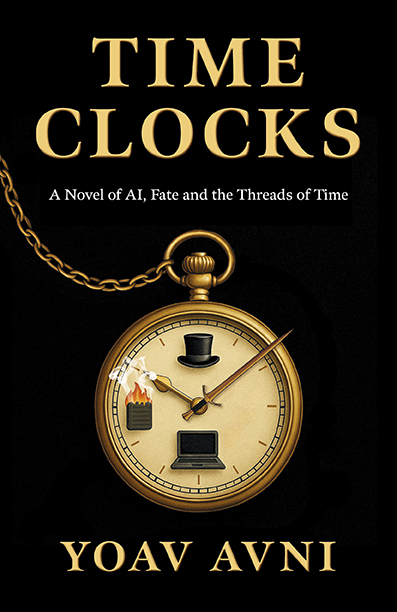
Time Clocks by Yoav Avni, translated from the Hebrew by the author (Roundfire Books, September 29)
When Boaz is summoned to a furious dismissal meeting at the company where he has spent years developing FocalAI, better known as the nation’s AI, everything in his familiar, comfortable office feels like a personal possession -even the door, the window, the air, the time that had passed. By nightfall, he is cast out into the desolate industrial zone outside his office, stripped of his phone, his car, and perhaps soon his relationship. The future looms, threatening and uncertain. Then, three strangers appear, raising questions not about the future but about the past: a police officer who lost her memory in the ’80s (and maybe it is just as well); a flamboyant French dandy from the nineteenth century; and a wounded shepherd from biblical times, clad in armor and tassels. As his own life unravels, Boaz feels compelled to discover why these three have arrived at his side. Why now and why him? What role do they play? And what role might he have?
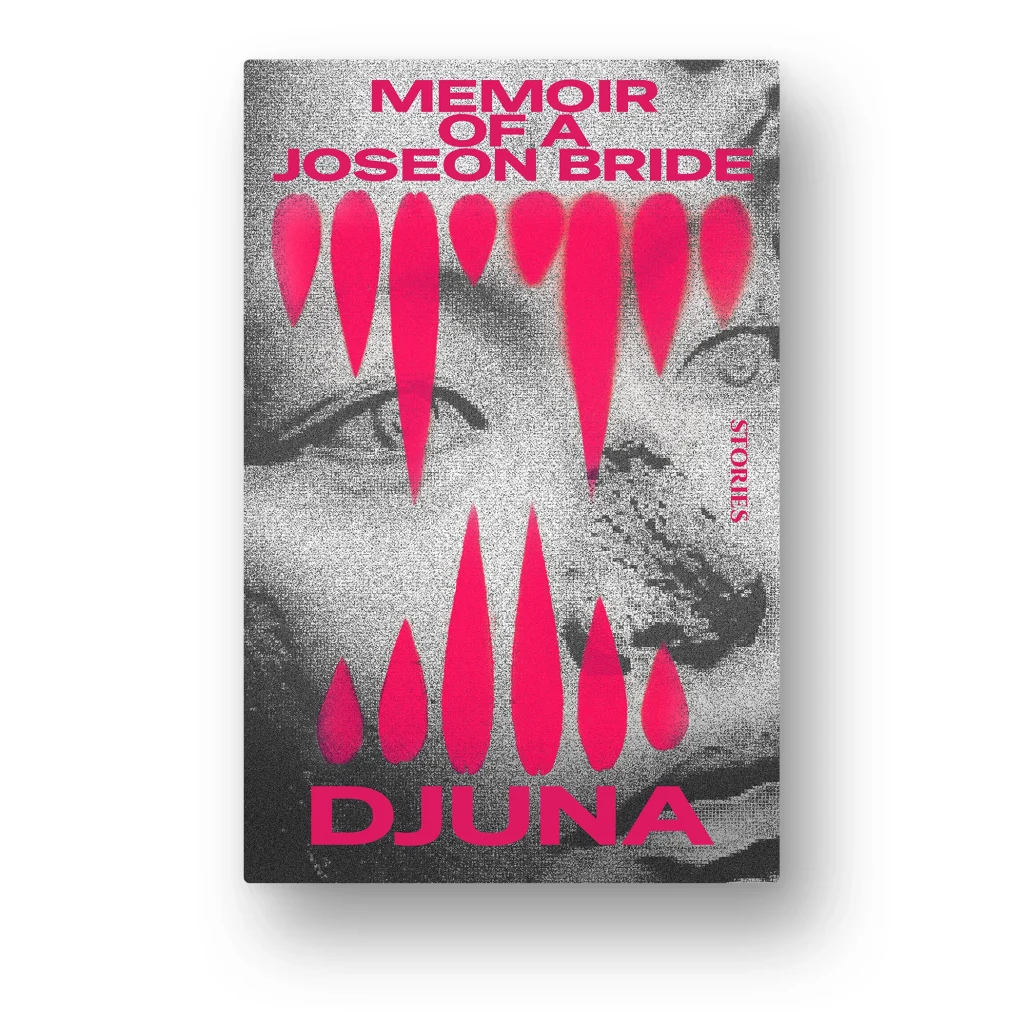
Memoir of a Joseon Bride by Djuna, translated from the Korean by Adrian Thieret, Jihyun Park, and Gord Sellar (Honford Star, September 30)
The stories brought together in this collection introduce the dazzling speculative imaginings of Djuna, one of South Korea’s most provocative science-fiction writers. Whether describing how a species of interplanetary machines brings Korea’s North-South divide into the heavens or satirizing the vampiric nature of Confucian patriarchy, these stories evoke a universe at once familiar and clearly fantastical. Blending influences ranging from genre fiction (zombie, vampire, science-fiction, you name it) to Conrad’s Heart of Darkness, Djuna’s stories illuminate the past, present, and possible futures.
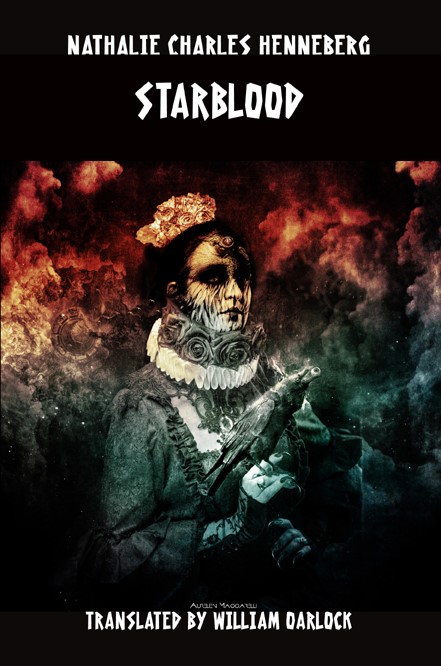
Starblood by Nathalie Charles Henneberg, translated from the French by William Oarlock (Black Coat Press, October 1).
Starblood is the colorful tale of a parallel medieval Earth featuring elementals and astronauts vying for the love of a Salamander; and The Lost Fortress, set in 2400, is the story of a colony ship arriving at the haunted planet of Isis in Alpha Centauris. Combining classic French and Golden Age American SF reminiscent of Jack Williamson and Robert Heinlein, with “Old World” literature, sagas and epics, her writing precedes the “New Wave” of the 1960s and later mythopoetic space operas by Ursula K. Le Guin, Roger Zelazny, C.J. Cherryh, Philip Jose Farmer and Joan D. Vinge.
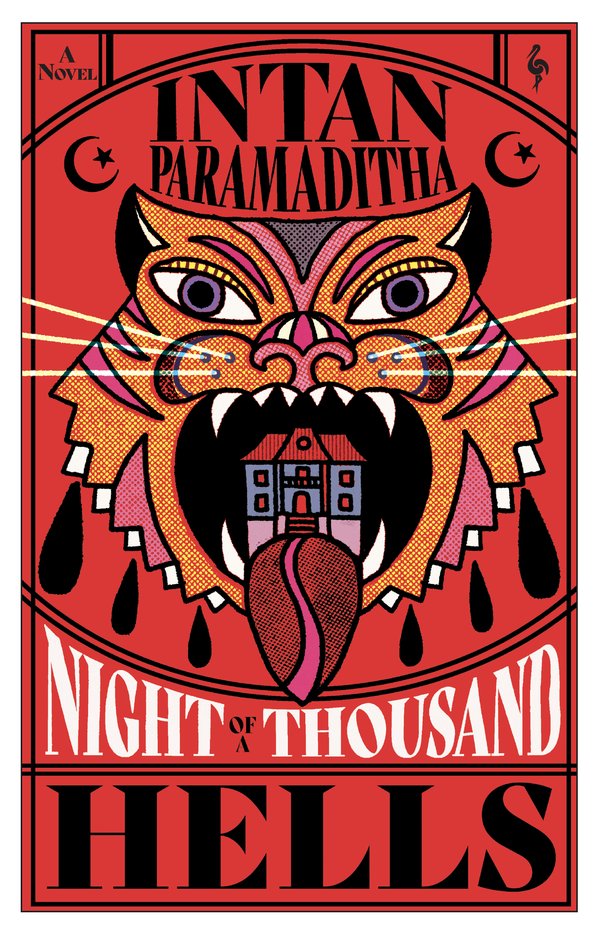
Night of a Thousand Hells by Intan Paramaditha, translated from the Indonesian by Stephen Epstein and Tiffany Tsao (Europa Editions, October 6)
International literary sensation Intan Paramaditha returns with her most ambitious and haunting work to date. The novel opens with a devastating act: the youngest of three sisters becomes a suicide bomber. In the aftermath, her surviving siblings are forced to confront the violent, buried truths of their family history. Their search leads them to long-concealed secrets, and to the prophecies of their grandmother, whose shadowy wisdom has shaped their fates. Set across Indonesia, the United States, and Australia, the novel explores class divides, sisterhood, migration, shame, abandonment, and the politics of care—all through a ghostly, atmospheric lens that draws on Asian folktales and occult traditions.
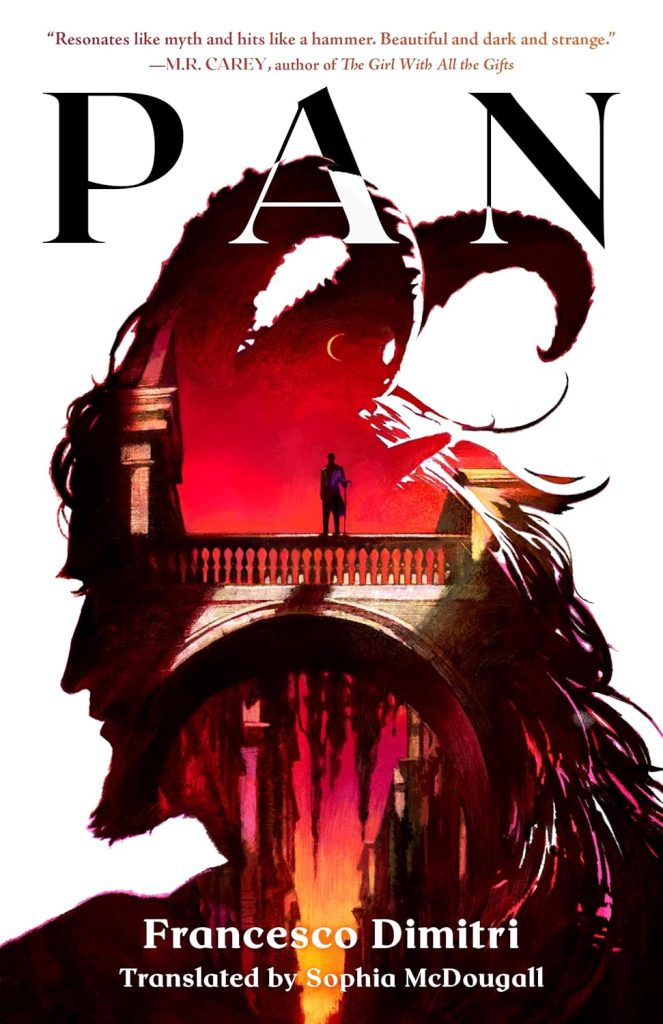
Pan by Francesco Dimitri, translated from the Italian by by Sophia McDougall (Tor Books, October 13)
Jim Butcher meets Claire North in this brutal modern Italian retelling of the story of Peter Pan, now in English for the first time.

Don’t Leave Her Alone by Desirée de Fez, translated from the Spanish (Spain) by Lizzie Davis (G. P. Putnam’s Sons, October 13)
Haunting, cinematic, and strikingly visceral, Don’t Leave Her Alone is an incisive exploration of motherhood that interrogates women’s struggle for autonomy and identity, and ultimately forces the question: What does it take to finally break free?
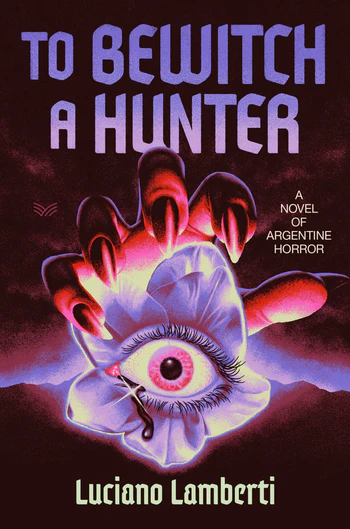
To Bewitch a Hunter by Luciano Lamberti, translated from the Spanish (Argentina) by Frank Wynne (HarperVia, October 13)
An award-winning novel from Argentina that begins when an adopted woman is approached by someone claiming to know what happened to her real parents—an encounter that triggers a hallucinatory odyssey into the dark years of dictatorship and a family history of disappearances and blood sacrifice.
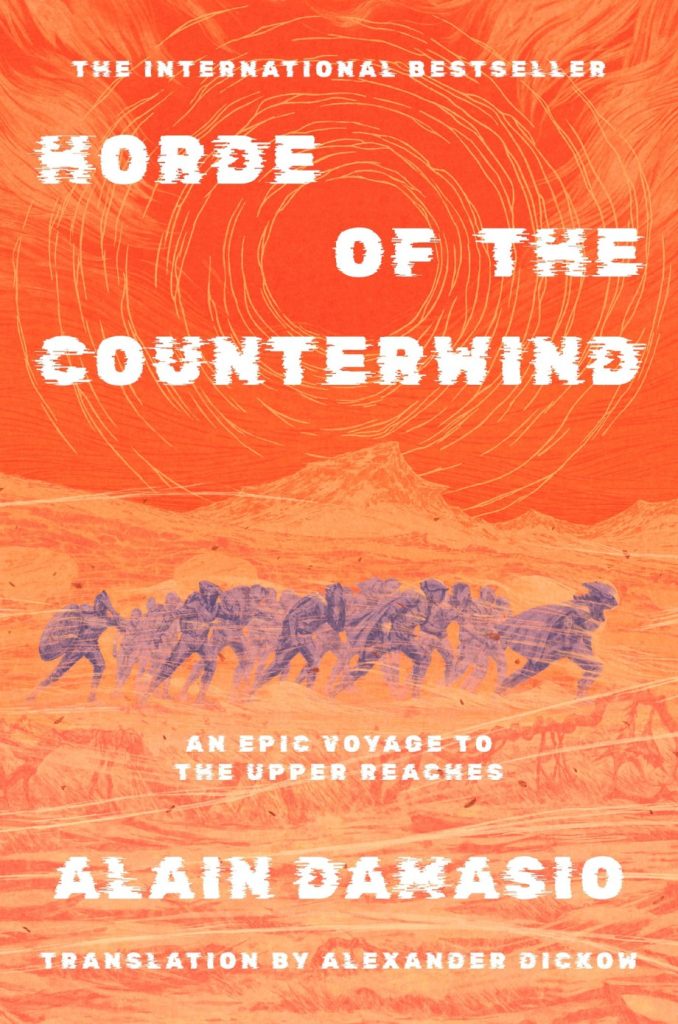
Horde of the Counterwind by Alain Damasio, translated from the French by Alexander Dickow (Abrams Press, October 13)
France’s defining fantasy/science fiction odyssey of the 21st century, the basis of the award-winning video game Expedition 33 and now published in English for the first time, celebrates twenty-three brave warriors of the wind.
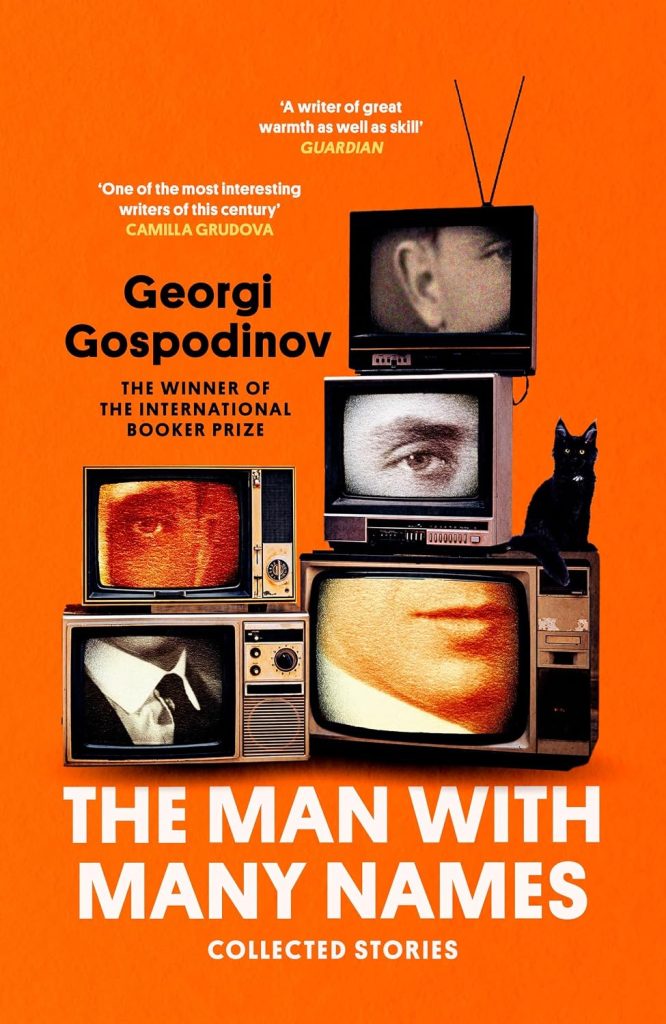
The Man with Many Names by Georgi Gospodinov, translated from the Bulgarian by Angela Rodel (Liveright, October 13)
Written over three decades, The Man with Many Names gathers the best of renowned author Georgi Gospodinov’s short fiction into a single new volume. Exhibiting the author at his most playful and profound, the collection captures the peculiarities of existence across forty-one tales set in and around his beloved Bulgaria: In “A Second Story,” strangers pass their time on a train through the Balkans telling stories only to be lost in translation; in “The Late Gift,” an unhoused man becomes convinced he’s on television one frigid New Year’s Eve; and in “Blind Vaysha,” a sightless woman can see into the past and future–one through each eye. Haunting these pages is a flaneur named Gaustine, a familiar trickster known to longtime Gospodinov fans.
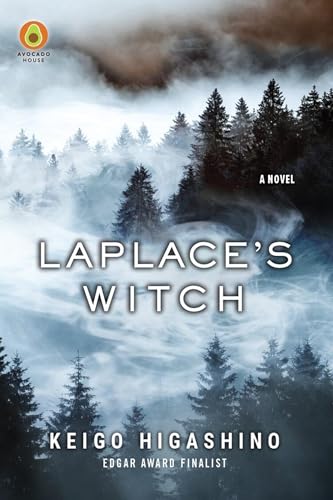
Laplace’s Witch by Keigo Higashino, translated from the Japanese by Stephen Paul (Avocado House, October 13)
Two people die in hot spring towns in different parts of Japan from hydrogen sulfide poisoning. Investigating the case is geochemist Shusuke Aoe, who witnessed the same mysterious girl, Madoka, at both crime scenes … A sci-fi mystery that challenges established norms of the genre, written by acclaimed author Keigo Higashino.
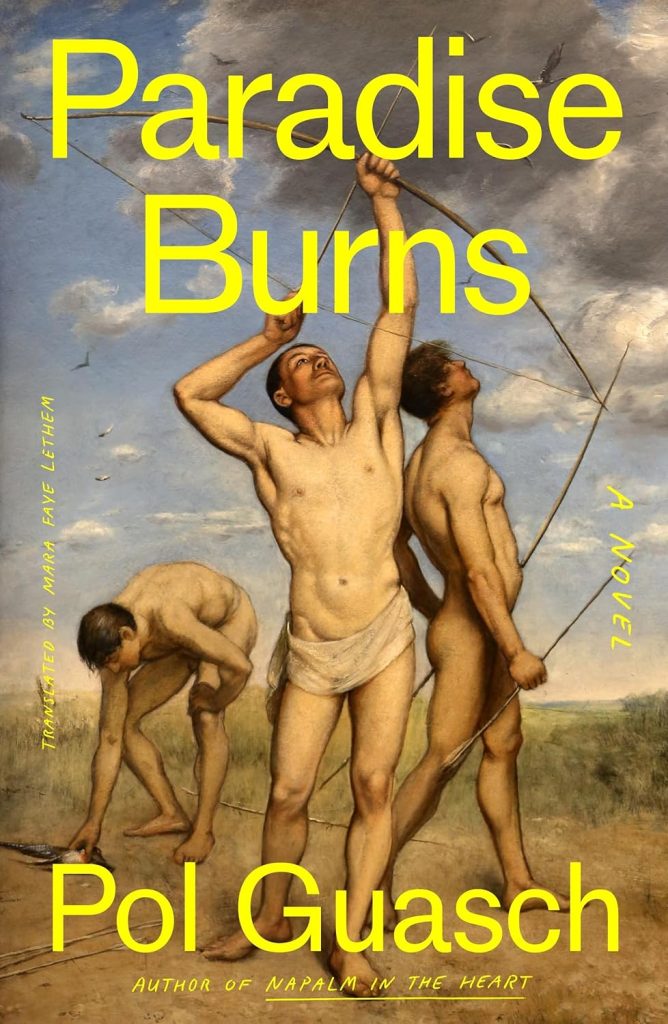
Paradise Burns by Pol Guasch, translated from the Catalan (Spain) by Mara Faye Lethem (FSG, October 20)
When Rita and Líton meet at a party, they quickly form a bond that will indelibly shape their lives. Theirs is not an easy world: most wildlife is extinct and the earth is tormented by drought and floods; the last vestiges of natural life are kept under lock and key in a mysterious greenhouse a day’s travel away. Like the other young men of the Service, Líton is frequently enlisted to put out the seemingly never-ending fires that tear through the valley; Rita lives perched on a hill in the Colony, where other men, including her father, empty an almost barren mine. Yet their bond grounds them. They navigate the love affairs, setbacks, and thwarted idealism of their twenties together, finding in each other a vital reprieve for their disillusionment—that is, until Líton, like other gay men, falls deathly sick.
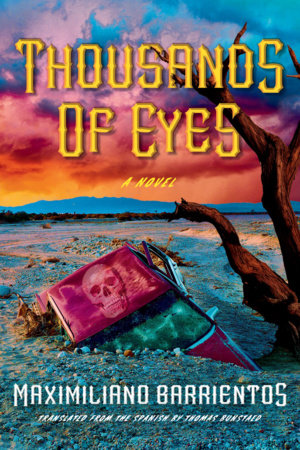
Thousands of Eyes by Maximiliano Barrientos, translated from the Spanish [Bolivia] by Thomas Bunstead (Counterpoint, October 27)
Mad Max meets J.G. Ballard in this gonzo, maximalist, high-octane speculative horror novel set against a post-apocalyptic Bolivia in thrall to a speed-worshiping cult.
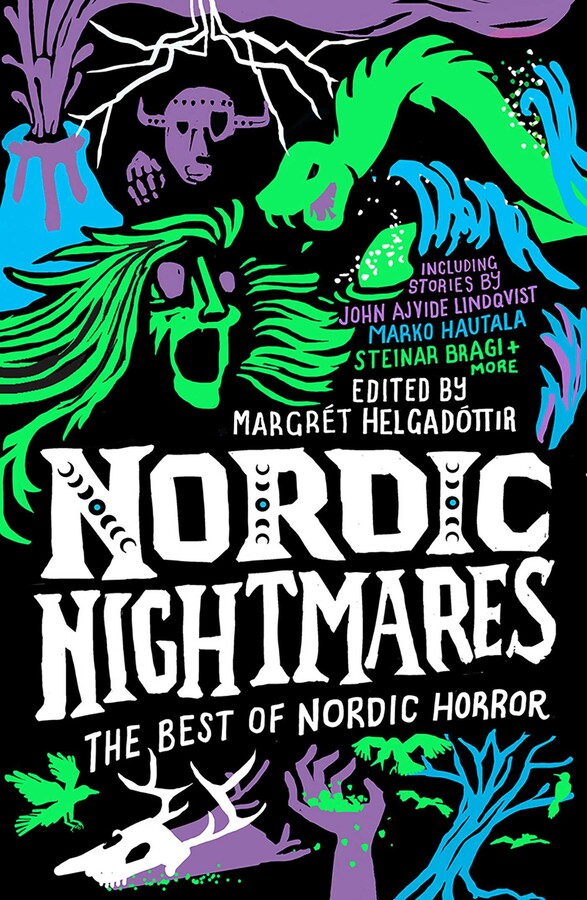
Nordic Nightmares: The Best of Nordic Horror, edited by Margrét Helgadóttir (Solaris, November 3)
Twenty nightmarish horror tales featuring folkloric beasts, apocalyptic disasters, and psychological terrors are brought together in a collection sure to keep readers up at night, from the very best voices in contemporary Nordic fiction.
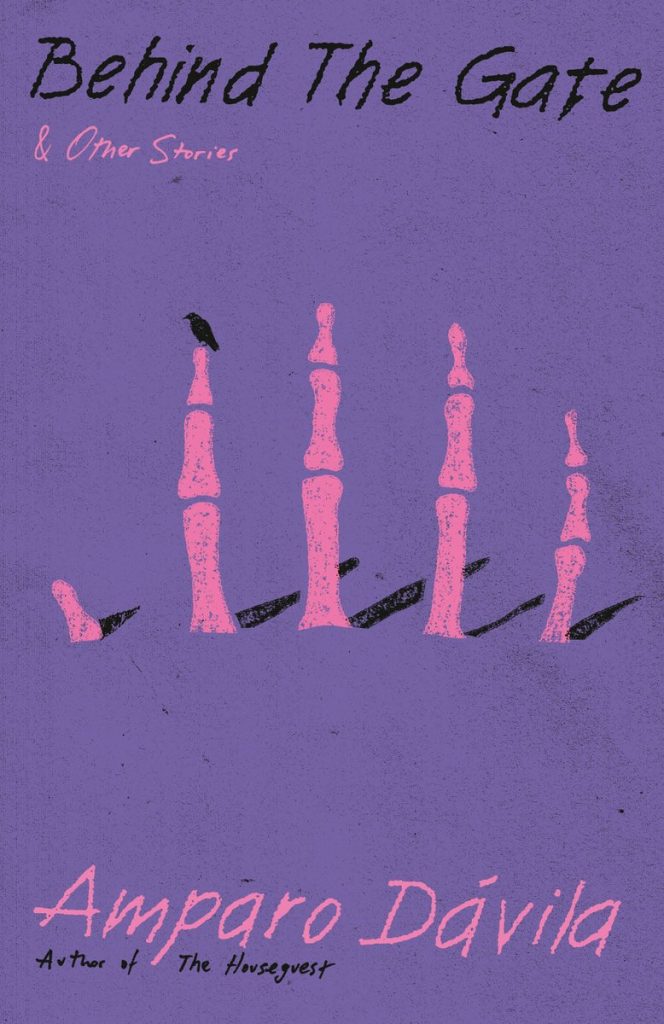
Behind the Gate and Other Stories by Amparo Davila, translated from the Spanish (Mexico) by Matthew Gleeson and Audrey Harris (New Directions, November 3)
Written in sharp, impressionistic prose steeped in horror, Amparo Dávila’s stories are tiny nightmares come to life. She is a writer obsessed with obsession, who shows, sometimes in just a few pages, that the narrow line between sanity and madness is even finer than it had seemed at first glance, and that anyone could be one false move away from their doom.
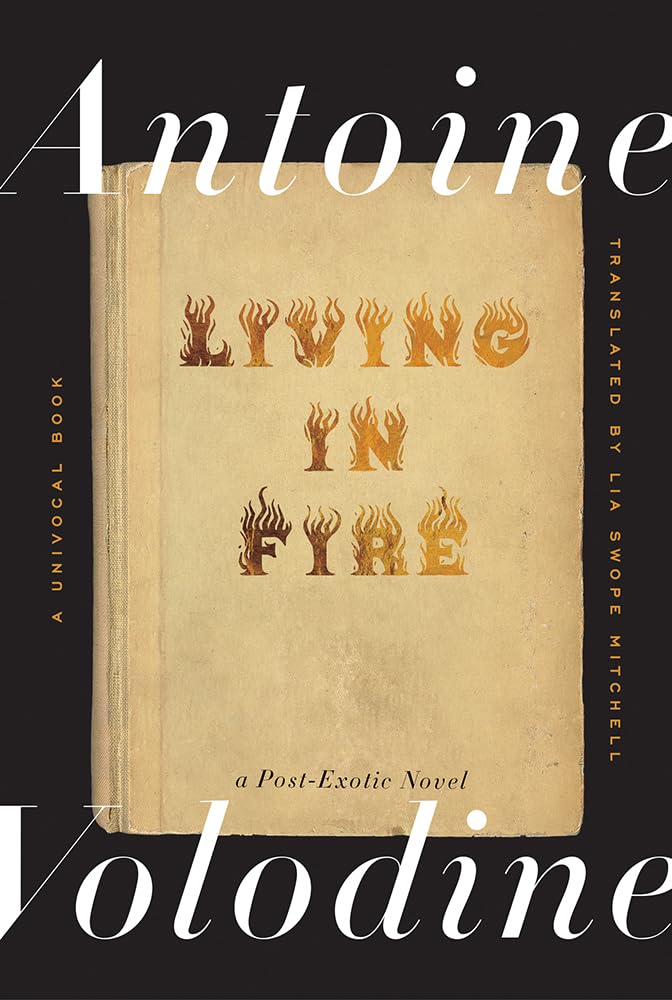
Living in Fire: A Post-Exotic Novel by Antoine Volodine, translated from the French by Lia Swope Mitchell (University of Minnesota Press, November 17)
A soldier engulfed in napalm suspends his death by composing a family saga in which he learns to live within the flames.
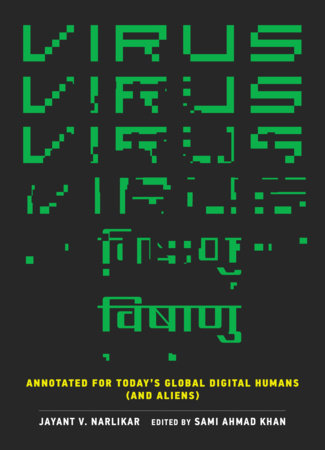
Virus: Annotated for Today’s Global Digital Humans (and Aliens) by Jayant V. Narlikar, translated by the author, edited by Sami Ahmad Khan (MIT Press, November 17)
A critical, annotated version of Narlikar’s iconic novel about a cybervirus attack by an advanced alien species—with updated text and added material.
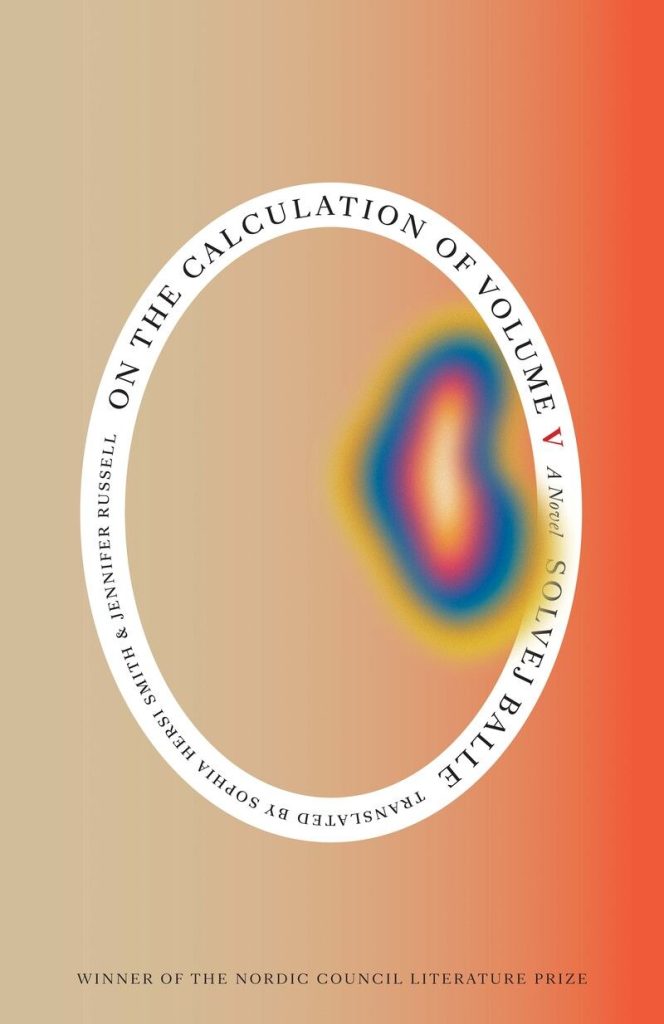
On the Calculation of Volume (Book V) by Solvej Balle, translated from the Danish by Sophia Hersi Smith and Jennifer Russell (New Directions, November 17)
It’s been a while since Tara Selter was all alone in her repeating November day. It’s been even longer since she was one half of a unit called T&T Selter, an antiquarian book dealership she ran with her beloved husband Thomas. Her hazy days of confusion are behind her, and so are her desperate and doomed attempts to reattach herself to linear time. Tara has begun to settle into a new life, with new habits, and new people, and so have the many other time-trapped individuals who have joined her along the way. And yet we can’t help but wonder whether she and her fellow travelers will ever find their way out of a trap so inexplicable and profound—and will they even still want to? In Balle’s hands the time loop becomes a parable of loss, longing, marital loneliness, and our own mortality. With gradual, breathtaking power, Balle deftly explores a series of existential and philosophical questions, and grapples with the form of the novel itself, charging full steam ahead in reinventing and reinvigorating its possibilities. And now we’ve arrived at the thrilling fifth book of Solvej Balle’s septology.
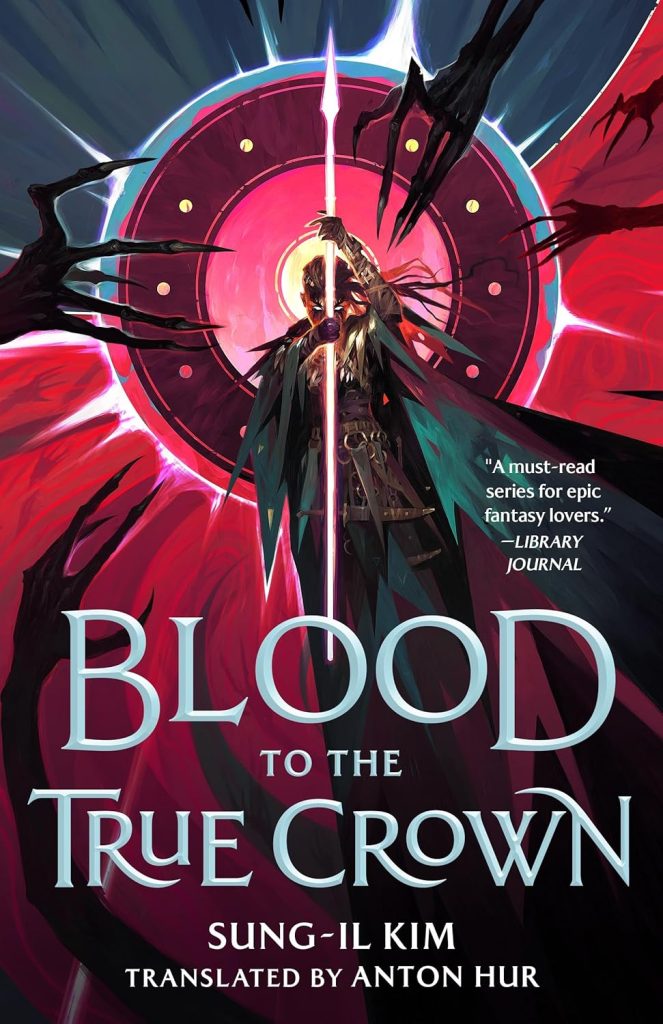
Blood to the True Crown by Sung-il Kim, translated from the Korean by Anton Hur (Tor Books, November 17)
The fate of the world will be decided in Blood to the True Crown, the epic conclusion to the Bleeding Empire trilogy, from award-winning Korean author Sung-il Kim and translated by the world-renowned Anton Hur.
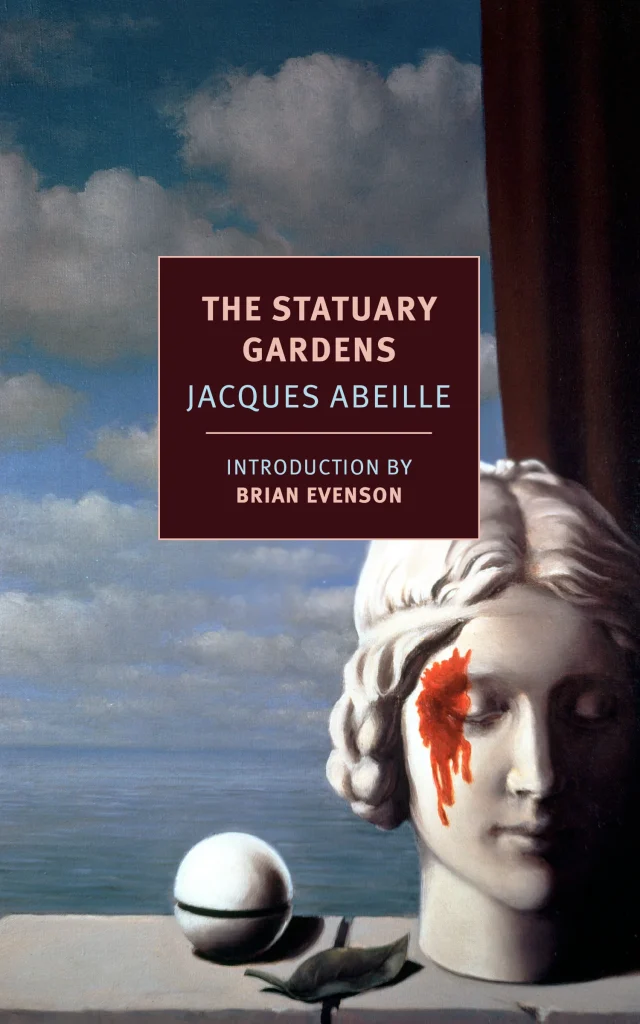
The Statuary Gardens by Jacques Abeille, translated from the French by Alex Andriesse (NYRB, December 1)
In an unnamed country where the men cultivate statues and the women are nowhere to be seen, a traveler takes a room at an inn. One foggy morning, a mysterious man invites him to take him on a tour of the walled estates, introducing him to the gardeners’ rich, strange culture. But as time wears on—and the traveler’s landlord pours scorn upon the gardens and gardeners—he feels compelled to set out through ruined estates and depopulated wilderness, to the northern steppes, where a renegade chieftain is said to have rallied the violent nomadic hordes to his cause. But what is this cause? And will this world of men, which has sealed women away behind walls within walls, survive the injustice eating away at its roots?
